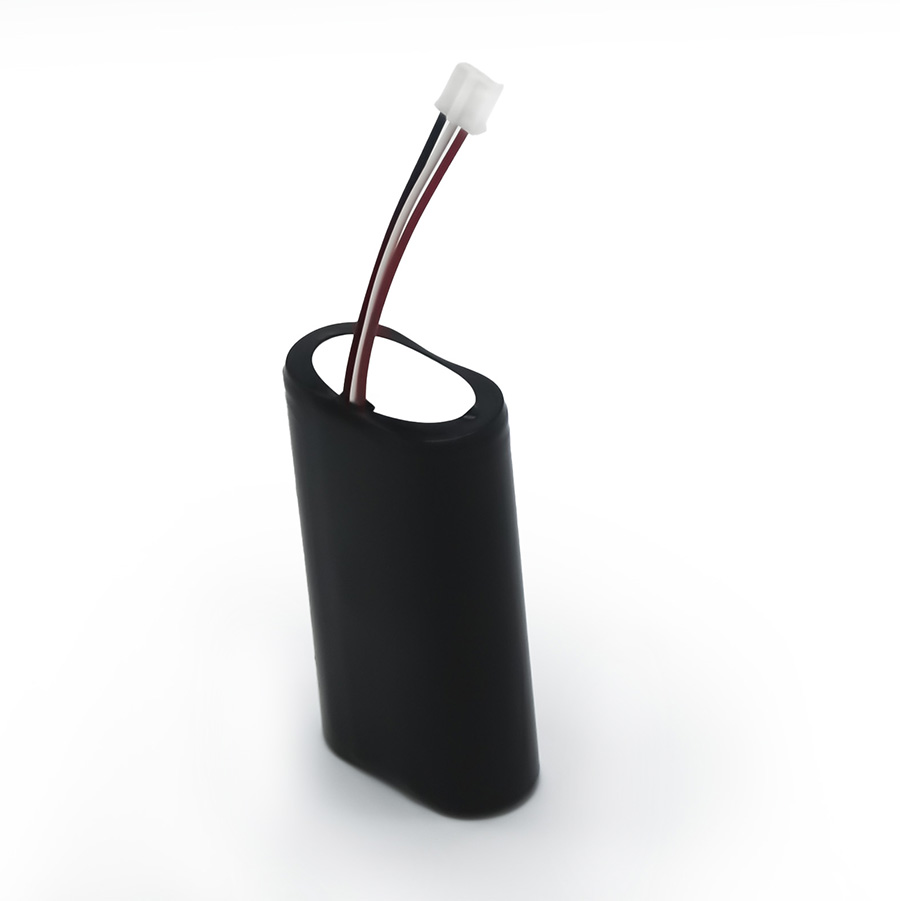
Battery leakage is more than a maintenance inconvenience. Depending on the battery chemistry, a leak may expose people and equipment to highly corrosive acid, caustic alkaline electrolyte, toxic metals, flammable chemicals, or a combination of these hazards.
A leaking lead-acid battery, for example, may release sulfuric acid and lead-contaminated material. Sulfuric acid can damage skin, eyes, clothing, tools, floors, electrical connections, and nearby equipment. A damaged lithium-ion battery creates a different type of emergency because it may release flammable electrolyte, generate heat, short-circuit, or catch fire.
Understanding the battery type is therefore the first step in every battery leak response. The same cleanup method should never be applied automatically to every battery chemistry.
Why Is Battery Leakage So Dangerous?
The phrase “battery acid” usually refers to the sulfuric acid electrolyte found in flooded lead-acid batteries. These batteries are commonly used in automobiles, golf carts, forklifts, recreational vehicles, telecommunications systems, backup power systems, and some off-grid energy installations.
Sulfuric acid is highly corrosive. It can cause serious eye and skin burns, irritate the respiratory system, corrode metals, and damage nearby surfaces. The CDC’s National Institute for Occupational Safety and Health identifies the eyes, skin, respiratory system, and teeth as target organs for sulfuric acid exposure.
Leaking lead-acid batteries also create an environmental concern because the released liquid may be contaminated with lead. The EPA warns that damaged lead-acid batteries can release lead and sulfuric acid into the environment and should not be placed in ordinary landfill waste.
However, not every battery leaks acid.
Alkaline AA, AAA, C, D, and 9-volt batteries normally use potassium hydroxide as an electrolyte. Potassium hydroxide is a caustic alkaline substance that can also cause chemical burns. This means a cleanup product designed to neutralize sulfuric acid may not be appropriate for an alkaline battery leak.
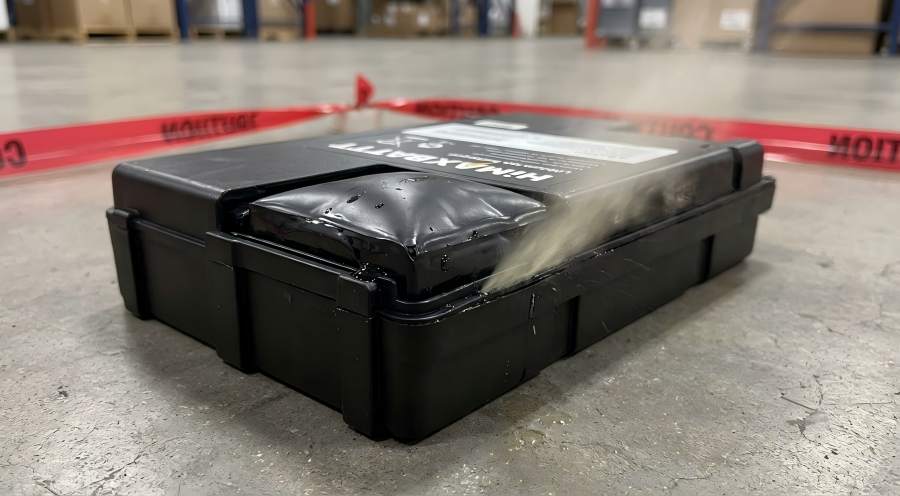
Lithium-ion batteries generally contain organic electrolytes rather than sulfuric acid. A damaged lithium-ion battery may swell, vent, leak, overheat, release hazardous vapors, or enter thermal runaway. The EPA identifies swelling as a sign of battery damage and a potential fire hazard.
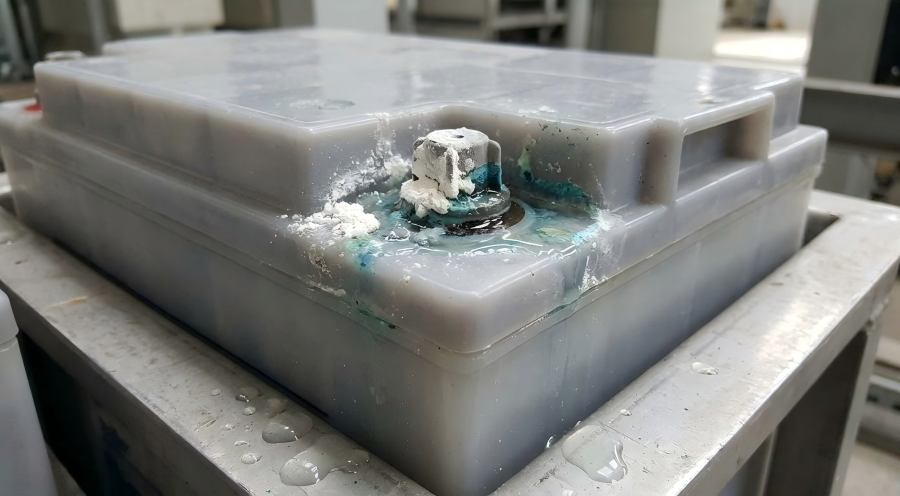
Common Signs of a Leaking or Damaged Battery
Battery leakage is not always immediately obvious. Regular inspections can help identify a problem before it becomes a larger chemical exposure or equipment failure.
Warning signs may include:
- Wetness around the battery case or terminals
- White, blue, green, or brown corrosion deposits
- A cracked, split, warped, or punctured case
- Bulging or swelling
- A strong chemical or unusual sweet odor
- Rust or discoloration on the battery tray
- Unexpected voltage loss
- A battery that becomes unusually hot
- Hissing, popping, bubbling, or venting sounds
- Smoke or vapor
- Damaged cables, loose terminals, or melted connectors
- Electrolyte levels that repeatedly fall faster than expected
Do not lean directly over a battery to inspect it. Use adequate lighting, maintain ventilation, and avoid creating sparks near lead-acid batteries, especially during or shortly after charging.
What to Do When a Battery Is Leaking
- Keep People Away From the Area
Restrict access immediately. Keep children, pets, customers, and untrained employees away from the leaking battery.
For a commercial facility, follow the site’s emergency response plan. A large spill, active fire, strong vapor release, or damaged high-voltage battery system should be handled by trained emergency personnel.
- Stop Charging or Operating the Equipment
If it is safe to do so, stop charging and shut down the connected equipment. Follow the manufacturer’s shutdown and isolation procedure.
Do not disconnect cables if the battery is smoking, sparking, rapidly heating, or visibly venting. Moving or electrically disturbing a severely damaged battery can make the situation worse.
- Identify the Battery Chemistry
Check the battery label, manual, safety data sheet, product specifications, and charger information.
Common categories include:
- Flooded lead-acid
- Sealed lead-acid, AGM, or gel
- Alkaline
- Nickel-metal hydride
- Lithium-ion
- Lithium iron phosphate
- Primary lithium
- Other industrial chemistries
Never assume that a clear liquid is water or that white residue is harmless.
- Wear Proper Protective Equipment
For a small, manageable lead-acid battery spill, appropriate personal protective equipment may include:
- Chemical splash goggles
- A face shield when splashing is possible
- Acid-resistant gloves
- A chemical-resistant apron
- Long sleeves and long pants
- Closed-toe, chemical-resistant footwear
OSHA requires appropriate protective equipment and spill-response facilities in regulated battery-handling environments. Its construction battery standard specifically addresses face shields, aprons, rubber gloves, flushing facilities, and provisions for neutralizing spilled electrolyte.
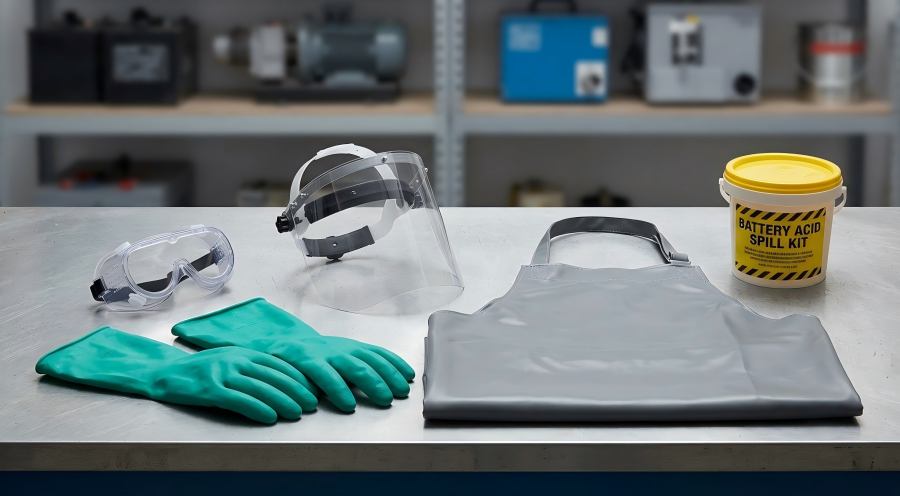
- Use the Correct Spill-Control Material
For a small lead-acid electrolyte spill, use a commercially prepared acid-neutralizing battery spill kit or another material specifically authorized by the battery manufacturer’s safety data sheet and your workplace spill plan.
Sodium bicarbonate may be used in some established lead-acid spill procedures, but it should not be applied blindly to unidentified battery leakage. Neutralization can generate heat, bubbling, and splashing.
Do not pour water directly into a pool of concentrated sulfuric acid. Sulfuric acid reacts strongly with water and releases heat. Water is essential for flushing exposed skin or eyes, but spill cleanup must follow the product safety data sheet and approved chemical-response procedure.
For alkaline battery leakage, follow the cell manufacturer’s instructions because the leaked electrolyte is usually caustic potassium hydroxide rather than sulfuric acid.
For a leaking lithium-ion battery, do not attempt to neutralize the electrolyte with household chemicals. Isolate the area, remove ignition sources when safe, avoid contact with the liquid, and contact the battery manufacturer, installer, fire department, or qualified hazardous-materials professional.
- Collect Contaminated Material Safely
Use non-sparking, chemical-resistant tools approved for the battery chemistry. Place contaminated absorbent material, damaged protective equipment, and cleanup debris into a compatible, labeled container.
Do not wash battery acid into a storm drain, floor drain, yard, street, or septic system. Do not place a leaking battery into regular household trash.
- Arrange Proper Recycling or Disposal
Leaking or damaged batteries require special handling. Contact an authorized battery recycler, the battery manufacturer, a participating retailer, or a local household hazardous waste program.
For lithium-ion batteries, the EPA recommends separate recycling or hazardous waste collection rather than household garbage or curbside recycling. It also recommends protecting terminals against short circuits during approved transport. Damaged batteries may require additional instructions from the manufacturer or waste facility.
What Should You Do After Battery Acid Touches Your Skin or Eyes?
If electrolyte contacts the skin, remove contaminated clothing and begin flushing the affected area with plenty of clean running water immediately.
If battery acid or another battery chemical enters the eyes, begin continuous irrigation immediately. Remove contact lenses when they can be removed easily, hold the eyelids open, and continue rinsing while medical help is arranged.
NIOSH recommends immediate irrigation after sulfuric acid eye exposure and immediate water flushing after skin exposure. Poison Control also emphasizes rinsing first because effective first aid begins within seconds or minutes of a chemical exposure.
In the United States, contact Poison Control at 1-800-222-1222 for exposure guidance. Call 911 for severe burns, breathing difficulty, loss of consciousness, fire, smoke inhalation, or any rapidly worsening symptoms.
Do not apply neutralizing powders, vinegar, lemon juice, ointments, or household chemicals directly to the skin or eyes unless instructed by a medical professional.
How to Prevent Battery Leakage
Use the Correct Charger Profile
A charger must match the battery chemistry, nominal voltage, charging current, and manufacturer-specified voltage limits.
A lead-acid charger should not be used automatically on a lithium iron phosphate battery. Likewise, a charger designed for one lithium-ion configuration may not be suitable for another pack.
Incorrect charging may cause overheating, overpressure, excessive gassing, swelling, internal damage, or premature battery failure.
Avoid Overcharging
Leaving a battery on an incompatible charger can create unnecessary stress. Use a charger with suitable voltage regulation, temperature compensation when required, and a charging profile approved for the battery.
Periodically verify charger output instead of relying only on the display or indicator light.
Control Operating Temperature
Heat accelerates many battery aging processes and can increase pressure inside damaged cells or cases.
Install batteries away from exhaust systems, furnaces, direct sunlight, unventilated metal enclosures, and other heat sources. Follow the temperature range in the battery’s technical documentation.
The EPA advises storing lithium-ion batteries around room temperature and avoiding long-term exposure to extreme heat or cold because temperature extremes may damage the battery.
Secure the Battery Correctly
Vibration, impact, and movement may damage battery cases or loosen electrical connections.
Use the correct tray, rack, bracket, hold-down system, and vibration protection. The battery should remain in its approved operating orientation.
Do not overtighten hold-down hardware against a plastic case.
Inspect the Battery and Connections
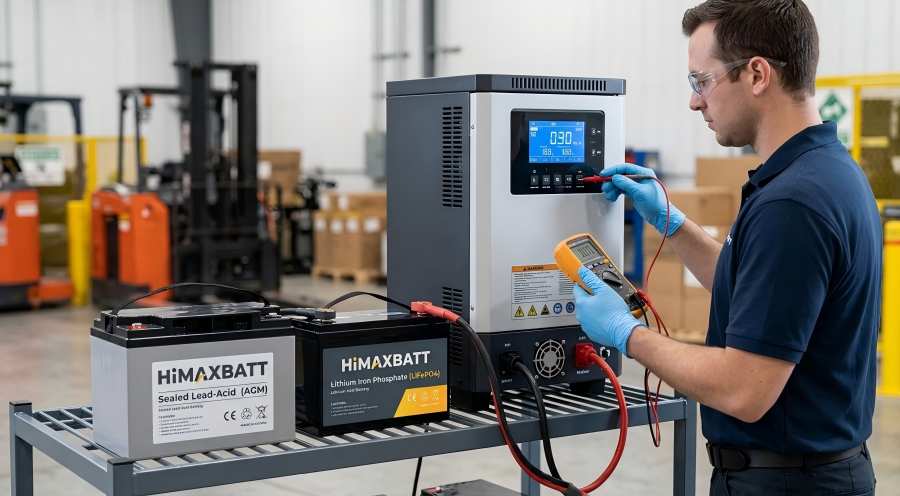
Create a routine inspection schedule based on application intensity.
Check:
- Battery case condition
- Terminal torque
- Cable condition
- Corrosion
- Charger output
- Operating temperature
- Ventilation
- Electrolyte level for serviceable flooded batteries
- Battery management system alerts
- Voltage balance between batteries or modules
Replace a battery when the case is cracked, swollen, punctured, or actively leaking. Do not seal a damaged case with glue, tape, resin, or improvised patches.
Scenarios Examples
Scenario 1: Residential Backup Battery in an Arizona Garage
A Phoenix homeowner operates a 12-volt, 100Ah flooded lead-acid battery for backup power. The battery is installed inside a poorly ventilated garage where afternoon temperatures regularly reach 100°F to 108°F.
The charger remains in a high-voltage charging stage longer than expected, and the homeowner notices dampness around one vent cap and corrosion on the positive terminal.
Recommended response:
- Stop charging when it is safe.
- Keep ignition sources away.
- Ventilate the area.
- Wear acid-resistant PPE.
- Inspect charger voltage and battery temperature.
- Replace the battery if the case, cap, or seal is damaged.
- Move the replacement system to a temperature-controlled or properly ventilated location.
The key lesson is that environmental heat, charging behavior, and maintenance must be evaluated together.
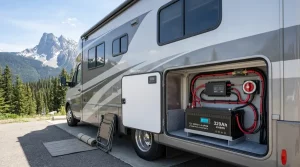
Scenario 2: RV Battery Bank Using the Wrong Charging Profile
A travel trailer uses two 12V 100Ah batteries wired in parallel, creating a nominal 12V 200Ah bank.
After a charger replacement, the charging system is incorrectly configured and repeatedly reaches 14.8 volts, even though the installed battery model requires a different manufacturer-specified charging profile. One battery begins to vent more heavily than the other, and liquid appears on the battery tray.
Recommended response:
- Disconnect shore power when safe.
- Do not continue the trip with a leaking battery.
- Inspect both batteries rather than replacing only the visibly damaged unit.
- Confirm that the charger is programmed for the exact battery chemistry.
- Check cable lengths and resistance to ensure both batteries charge evenly.
- Clean and inspect the tray using an approved acid-spill procedure.
Scenario 3: Forklift Battery in a Distribution Warehouse
A U.S. distribution center operates an electric forklift with a 48V, 625Ah flooded lead-acid traction battery.
During an overnight charging cycle, an employee finds electrolyte on the floor near the charging station. The area has no clearly labeled spill kit, and boxes have been stored in front of the eyewash station.
The battery should be taken out of service, and the charging area should be secured. The blocked eyewash station and missing spill equipment must be corrected immediately.
OSHA requires battery charging areas for powered industrial trucks to include provisions for flushing and neutralizing spilled electrolyte, fire protection, charger protection, and adequate ventilation for dispersing battery gases.
Scenario 4: Damaged Lithium Battery in a Solar Storage System
A small off-grid cabin uses a 48V 100Ah lithium iron phosphate battery, providing approximately 4.8 kWh of nominal energy.
After a heavy object strikes the enclosure, the owner notices deformation near one corner and an unusual odor. The battery management system also reports an abnormal temperature warning.
Recommended response:
- Shut down the system using the manufacturer’s emergency procedure.
- Do not open the battery enclosure.
- Do not puncture, squeeze, or attempt to reshape the case.
- Keep the unit away from combustible materials when this can be done safely.
- Contact the battery manufacturer or qualified installer.
- Call emergency services if heat, smoke, hissing, or fire develops.
A mechanically damaged lithium battery should not be returned to service simply because its voltage still appears normal.
Frequently Asked Questions About Battery Leakage
Can a leaking battery still be used?
No. An actively leaking, cracked, swollen, or punctured battery should be removed from service. Continuing to charge or operate it may increase chemical exposure, equipment damage, short-circuit, or fire risk.
Can I clean battery acid with baking soda?
Baking soda is included in some approved procedures for small lead-acid electrolyte spills. However, you should first confirm the battery chemistry and follow the battery safety data sheet, spill-kit directions, and workplace emergency plan. Never apply it to an unidentified leak.
Why is there white powder around my battery terminal?
White or colored deposits may indicate terminal corrosion, dried electrolyte, moisture-related corrosion, or a poor electrical connection. Do not touch the material with bare hands. Inspect the battery case, terminal seal, cable connection, and charging system.
Can battery acid damage concrete?
Yes. Sulfuric acid can attack concrete, coatings, metals, fabrics, and other materials. Prompt containment and cleanup using an approved procedure can reduce structural and equipment damage.
Should I put a leaking lithium battery in water?
Do not improvise a storage or fire-control method. Lithium battery response depends on battery size, chemistry, damage condition, and manufacturer guidance. Contact the manufacturer, installer, fire department, or hazardous-materials professional.
Can I throw a leaking battery in the garbage?
No. A leaking battery should be managed through an approved battery recycler, hazardous waste facility, participating retailer, or manufacturer takeback program. Lithium-ion batteries should not be placed in household trash or curbside recycling because they may start fires during collection and processing.
How often should batteries be inspected?
Inspection frequency depends on the application. High-use forklift, solar, RV, marine, mobility, and backup systems may require more frequent checks than batteries kept in controlled standby service. Follow the maintenance interval specified by the battery and equipment manufacturers.
Choose Reliable Battery Solutions From HiMAXBATT
HiMAXBATT is a global battery manufacturer focused on dependable energy solutions for renewable energy storage, backup power, electric mobility, industrial equipment, material handling, and customized battery applications.
Battery safety begins with proper product selection. The battery must match the application’s voltage, capacity, charging system, operating temperature, discharge rate, installation environment, and expected service life. HiMAXBATT works with customers to evaluate these requirements and develop battery solutions designed for reliable performance, consistent quality, and safer long-term operation.
Whether you need batteries for a residential energy system, commercial backup installation, electric vehicle, forklift, RV, marine application, or OEM project, HiMAXBATT can help you select a properly configured solution and provide the technical information needed for installation, charging, maintenance, storage, and end-of-life management.