Medical Ni-MH Battery

Frequently Asked Questions

Find answers to common questions about batteries for medical equipment, including LiFePO4, LiPO, and NiMH options for portable monitors, surgical tools, infusion pumps, ventilators, and wearable devices.

1. What batteries are commonly used in medical devices and how do I choose the right one?

Medical devices rely on three main rechargeable chemistries, each with distinct characteristics. LiFePO4 (Lithium Iron Phosphate) is the safest lithium chemistry, offering excellent thermal stability and over 4,000 charge cycles. It is the top choice for critical-care equipment such as ventilators, anaesthesia machines, mobile medical carts, patient monitors, and ultrasound systems because safety and long-term reliability are paramount. LiPO (Lithium Polymer) uses a gel or solid electrolyte, allowing ultra-thin (under 1 mm) and custom-moulded shapes that fit into tight, curved spaces. This makes it ideal for wearable devices like continuous glucose monitors (CGMs), hearing aids, patch-type ECG recorders, and even smart contact lenses – where weight and form factor are critical. NiMH (Nickel-Metal Hydride) is a mature, cost-effective technology that performs well in high-temperature environments and has no transport restrictions, unlike lithium batteries. It is widely used in infusion pumps, portable X-ray systems, defibrillators, electrocautery tools, and motorised hospital beds. To choose correctly, evaluate your device’s physical space, power consumption, required cycle life, and safety certification needs – and always consult with a specialist battery supplier.


2. How long do each type of medical battery last, and how does that affect total cost?

Battery lifespan varies significantly by chemistry. LiFePO4 offers the longest service life – typically 10+ years with 4,000–6,000 charge cycles – making it the most durable option for intensive care units and long-term home-use ventilators. Although its upfront cost is higher, the extended replacement interval drastically reduces total ownership costs over a decade. LiPO batteries generally last 3–5 years and provide 300–500 cycles, which suits consumer-grade wearables and diagnostic tools that are replaced or upgraded frequently. NiMH batteries also deliver 3–5 years of life with 500–1,000 cycles, offering a balanced trade-off for mid-range devices like portable X-ray machines and surgical instruments. When calculating total cost, consider not only the battery price but also replacement labour, device downtime, and disposal fees. For critical applications, the superior cycle life of LiFePO4 often justifies the higher initial investment, while for disposable or short-life devices, NiMH or LiPO may be more economical.

3. Why is LiFePO4 preferred for critical care, while LiPO is better for wearables?

The choice between LiFePO4 and LiPO is driven by safety requirements and physical design constraints. LiFePO4 is renowned for its exceptional thermal and chemical stability – it resists thermal runaway even under abuse, making it the safest lithium battery for life-support and critical monitoring equipment (e.g., ventilators, neonatal incubators, anaesthesia delivery systems). These devices demand zero risk of fire or toxic gas release, and LiFePO4 delivers that peace of mind. On the other hand, LiPO excels in wearables because its flexible, pouch-like construction can be shaped into extremely thin, curved, or even foldable designs that conform to the human body. This allows engineers to create comfortable, lightweight devices such as continuous glucose monitors, wearable ECG patches, and hearing aids. LiPO also offers higher energy density per unit volume than LiFePO4, which is crucial when space is millimetre-tight. In short: choose LiFePO4 when safety and longevity are non-negotiable; choose LiPO when form factor and weight are the primary drivers.

4. What are the unique advantages of NiMH batteries for medical applications?

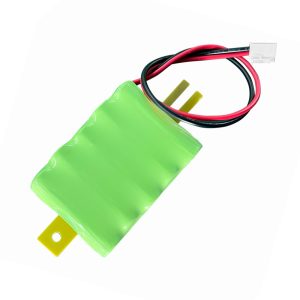
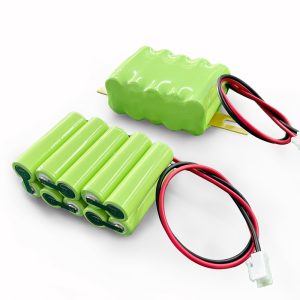
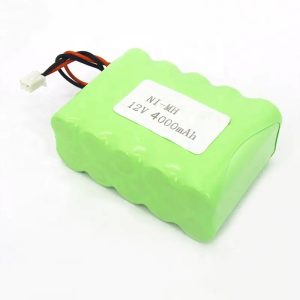
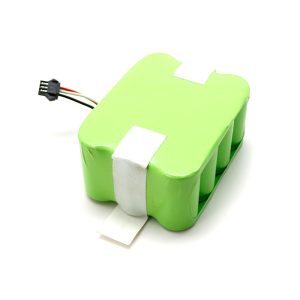
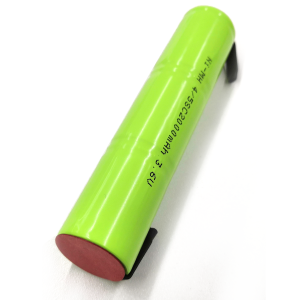
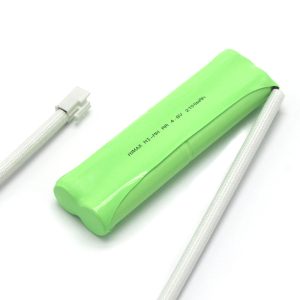
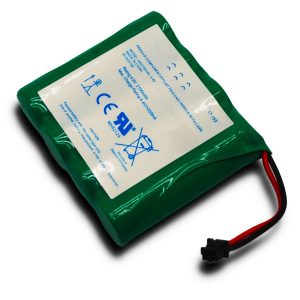
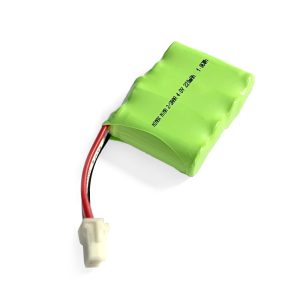
Despite the rise of lithium technologies, NiMH remains a strong contender for many medical devices due to three distinct advantages. First, cost-effectiveness – NiMH cells have significantly lower material costs, making them ideal for high-volume, non-critical equipment like patient lifts, motorised beds, and portable suction units where budget constraints are tight. Second, no transport restrictions – unlike lithium batteries which require UN 38.3 certification and special shipping labels, NiMH batteries are classified as non-dangerous goods, simplifying global logistics and reducing supply chain delays. Third, excellent high-temperature tolerance – NiMH performs reliably in sterilisation environments and operating rooms where ambient temperatures can exceed 40°C, whereas lithium batteries may degrade faster under such conditions. Additionally, NiMH is more environmentally friendly to recycle and contains no cobalt, aligning with green procurement policies in many hospitals. Common applications include defibrillators, portable X-ray generators, electrosurgical units, and physiological monitors that benefit from a robust, proven power source with predictable performance.

5. Can medical batteries be customised, and what certifications do they require?

Yes – HiMAXBATT offers fully customised medical battery solutions tailored to your device’s exact specifications. We can adjust voltage (from 3.7V to 48V), capacity (from 100 mAh for tiny sensors up to 200 Ah for large imaging systems), dimensions, connector types, and BMS communication protocols (CAN bus, RS485, SMBus). Every design is engineered to meet the rigorous requirements of Class I, II, and III medical devices. All our batteries are manufactured under an ISO 13485 certified quality management system, ensuring full traceability from raw materials to finished goods. They comply with IEC 62133 (safety for portable sealed secondary cells), UL 2054 (household and commercial battery safety), and IEC 60601-1 (medical electrical equipment safety). For transport, we provide UN 38.3 certification. Additionally, our batteries support FDA (U.S.) and MDR (EU) regulatory submissions with comprehensive documentation, including design history files and test reports – giving you a smooth path to market approval for your medical device.

INQUIRY TO BUY
Login