For Lexus Battery

Frequently Asked Questions

Find answers to common questions about nickel-metal hydride hybrid battery replacement, including lifespan, costs, compatibility, and environmental impact.

1. How long do NiMH hybrid car batteries typically last?

The average lifespan of a hybrid car battery is 8 to 12 years, or approximately 160,000 to 200,000 kilometres. However, this varies significantly by battery chemistry. NiMH (Nickel-Metal Hydride) batteries – commonly found in full hybrids like the Toyota Prius – are known for exceptional durability, with many original batteries still performing well after 10+ years and over 250,000 kilometresLithium-ion batteries, used in most plug-in hybrids (PHEVs) and newer full hybrids, typically last 8–10 years but may experience faster degradation due to deeper discharge cycles. Factors affecting lifespan include driving habits, climate conditions, and maintenance practices. Proper care – such as avoiding frequent deep discharges and maintaining moderate temperatures – can significantly extend battery life. With a quality replacement from HiMAXBATT, you can expect reliable performance that matches or exceeds your original battery’s longevity.

2. What is the difference between NiMH and Li-ion hybrid batteries?

NiMH (Nickel-Metal Hydride) and Li-ion (Lithium-ion) are the two dominant chemistries in hybrid vehicles, each with distinct characteristicsNiMH batteries are renowned for their exceptional cycle life and robustness – they withstand higher work stress and maintain stable performance over many years. They are the preferred choice for full hybrids (HEVs) like the Toyota Prius, where long-term reliability is paramountLi-ion batteries offer higher energy density, meaning they store more energy in a smaller, lighter package. This makes them ideal for plug-in hybrids (PHEVs) that require larger capacity (4–10 kWh) and extended electric-only range. Li-ion also dominates 48V mild hybrid systems. While NiMH is more proven and durable over decades of use, Li-ion provides better performance for newer, more electrified hybrid architectures. HiMAXBATT offers both chemistries, allowing you to choose the right technology for your specific vehicle and driving needs.

3. How much does it cost to replace a hybrid car battery?

Replacement costs vary widely depending on your vehicle model, battery chemistry, and whether you choose OEM or aftermarket solutions. NiMH replacements are generally more affordable, typically ranging from $1,500 to $3,500 for most full hybrids, though they last 8–10 yearsLi-ion replacements – especially for plug-in hybrids with larger battery packs – can cost $4,000 to $8,000+ due to higher material costs and greater capacity. However, the higher upfront investment often translates to better fuel efficiency and longer electric-only range. HiMAXBATT offers competitive pricing on both NiMH and Li-ion replacement batteries, providing a cost-effective alternative to dealership replacements without compromising quality. When evaluating costs, consider the total cost of ownership – a quality replacement battery can extend your vehicle’s life by 5–10 years, potentially saving thousands compared to purchasing a new hybrid car.
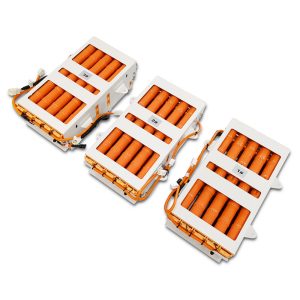
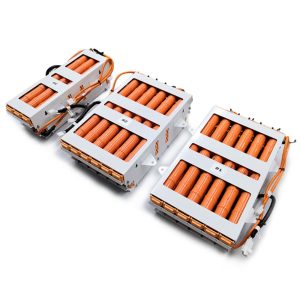
4.Are hybrid car batteries environmentally friendly?

Yes – hybrid batteries offer significant environmental benefits compared to conventional gasoline-only vehicles. By capturing energy during braking and using it to assist the engine, hybrid batteries reduce fuel consumption by 20–35% and substantially lower CO₂ and other tailpipe emissions. Additionally, both NiMH and Li-ion batteries are highly recyclable – up to 95% of battery materials, including nickel, cobalt, and lithium, can be recovered and reused in new batteries or other applications. Many manufacturers and aftermarket suppliers, including HiMAXBATT, participate in battery recycling programmes to minimise environmental impact. Choosing a replacement battery rather than scrapping an otherwise functional hybrid vehicle is also an environmentally responsible decision – it extends the vehicle’s useful life and reduces the carbon footprint associated with manufacturing a new car. With proper recycling at end-of-life, hybrid batteries represent a sustainable energy solution for modern transportation.

5. How do I choose the right replacement battery for my hybrid car?

Selecting the right replacement battery requires matching your vehicle’s specific requirements. First, confirm your vehicle’s original battery chemistry – check your owner’s manual or consult your dealership. Most full hybrids (HEVs) like Toyota Prius, Honda Civic Hybrid, and Ford Escape Hybrid use NiMH batteries, while plug-in hybrids (PHEVs) and newer models typically use Li-ionSecond, verify voltage and capacity specifications – for example, the Honda Civic 2nd Gen hybrid uses a 158.4V 6Ah battery. Using incorrect specifications can damage your vehicle’s hybrid system. Third, choose a reputable supplier – HiMAXBATT provides batteries that meet or exceed OEM standards, with rigorous quality control and compatibility testingFinally, consider professional installation – hybrid batteries operate at high voltage and require proper handling to ensure safety and optimal performance. Contact HiMAXBATT’s technical team for guidance on selecting the right battery for your specific make and model.

INQUIRY TO BUY
Login