Commercial Disclosure: The HiMAXBATT Editorial Team brings together expertise in lithium battery manufacturing, battery engineering, power systems, and global application support to provide practical, technically informed content for businesses and industry professionals. Our content covers lithium-ion and LiFePO4 batteries, custom battery packs, BMS technology, charging solutions, battery selection, industrial applications, product updates, and HiMAXBATT news. All content reflects HiMAXBATT’s official editorial perspective and our commitment to delivering safe, reliable, and application-focused lithium battery solutions to customers worldwide.
Key Takeaways
- Check the cooling vest’s rated input voltage, connector type, continuous power, and peak power before selecting a battery.
- Consider both mAh and Wh when evaluating battery capacity. When comparing batteries with different voltages, Wh provides a more useful measure of available energy.
- Runtime depends on the vest’s actual power consumption, ambient temperature, fan speed or cooling level, and battery age, so it is important to include some reserve capacity.
- The battery should provide appropriate overcharge, over-discharge, overcurrent, short-circuit, and temperature protection, and compatibility should be validated with the complete vest system.
- Use the charger specified by the manufacturer or confirmed to be compatible. Avoid charging or storing batteries under bedding, piles of clothing, or in high-temperature environments such as a hot vehicle.
- If a battery shows swelling, unusual odors, enclosure damage, abnormal heat, or a significant reduction in runtime, stop using it and dispose of it through an appropriate local battery recycling program.
Introduction
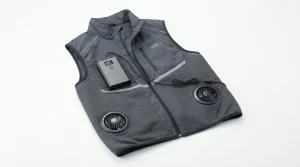
In hot environments, whether a cooling vest can operate reliably often depends on how well the battery is matched to its fans, thermoelectric cooling modules, or circulation pump. Many users focus only on “how many milliamp-hours” a battery has while overlooking voltage, output power, connector protocols, protection circuitry, and operating conditions. From a battery manufacturing perspective, battery selection should be based on the specifications of the complete system rather than nominal battery capacity alone.

Start by Determining What Kind of Battery the Cooling Vest Requires
Common power configurations for cooling vests include USB 5V, USB-C PD, 7.4V, 12V, and proprietary battery packs. Each configuration may require a different battery architecture, boost or buck converter, and output-current capability. For example, a fan cooling vest rated for 5V USB input cannot necessarily be connected directly to a 12V battery pack. Even when connectors look similar, differences in voltage or polarity can cause malfunction or damage.
Before purchasing a battery, check the vest’s label, user manual, or original battery label and confirm the following information.
| Item to Check | Parameters to Verify | Why It Matters |
| Rated input voltage | 5V, 7.4V, 12V, etc. | A voltage mismatch may prevent startup, trigger protection, or damage the equipment |
| Continuous power | For example, 5W, 10W, or 15W | Used to estimate normal operating current and runtime |
| Peak power or startup current | May increase when fans start or cooling modules operate at higher settings | The battery must support transient loads; average power alone is not enough |
| Connector and protocol | USB-A, USB-C, DC barrel connector, proprietary connector, PD/QC protocol | A connector that physically fits does not necessarily provide compatible power |
| Operating environment | Outdoor heat, jobsite dust, cycling vibration, etc. | Affects enclosure, wiring, connector protection, and thermal-management requirements |
| Original battery specifications | Voltage, Wh, model number, polarity | Provides an important reference when selecting a replacement battery |
From a manufacturing perspective, the cells, protection board or BMS, wiring harness, connectors, and charger form a complete system. The U.S. Consumer Product Safety Commission (CPSC) also notes that high-energy-density batteries should be evaluated together with the product and charger, with attention to charge and discharge protection, thermal protection, and cell balancing. CPSC Battery Safety Information
How to Choose Battery Capacity: Don’t Look at mAh Alone—Check Wh
mAh represents the amount of electrical charge a battery can provide at a given nominal voltage, while Wh (watt-hours) represents energy. When comparing batteries with different voltages, Wh provides a more straightforward comparison.
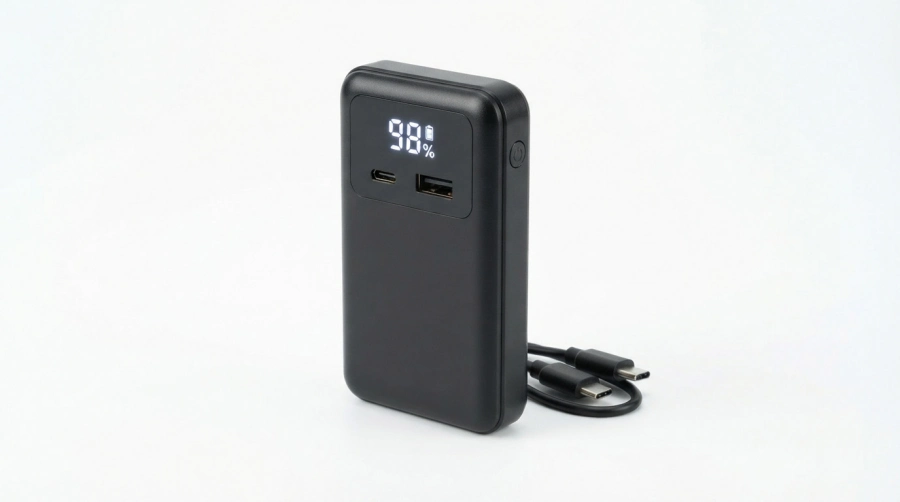
The calculation is:
Battery Energy (Wh) = Nominal Voltage (V) × Capacity (Ah)
For example, a 5V 10,000mAh power bank typically calculates the energy of its internal cells at approximately 3.7V, giving a nominal energy of about 37Wh. The USB output requires voltage conversion, so the actual output capacity is affected by conversion efficiency and load conditions. Therefore, a “10,000mAh” rating should not be interpreted as meaning the USB output can deliver the full 10,000mAh at 5V.
| Use Case | What to Prioritize | Explanation |
| Light commuting and short outdoor use | Moderate Wh capacity and low weight | Reduces the burden of wearing the battery and works well with lower fan settings |
| Long-duration outdoor work | Higher Wh capacity and replaceable batteries | Consider carrying a confirmed compatible spare battery for rotation |
| Thermoelectric cooling vest | Output power and continuous-current capability | Thermoelectric modules generally consume more power than fans, so power and thermal conditions require closer attention |
| Multi-speed fan vest | Runtime at both low and high settings | Power consumption can vary significantly between settings, so a single advertised runtime may not tell the full story |
| Travel | Wh labeling and transportation requirements | Airline, shipping carrier, and destination rules may differ, so requirements should be checked in advance |
A larger battery is not always the better choice. Higher energy capacity generally means more size, weight, and burden for the wearer. If the wiring, connectors, or voltage-conversion modules are not designed for the corresponding current, additional heat may also be generated. A suitable battery should provide enough energy for the expected operating time with an appropriate reserve while also considering where the battery is carried and how active the wearer will be.
How to Estimate Cooling Vest Runtime
The following simplified formula can be used for an initial estimate:
Estimated Runtime (hours) ≈ Usable Battery Energy (Wh) × System Efficiency ÷ Average Vest Power (W)
System efficiency includes losses from voltage conversion, cables, and control modules. For an initial estimate, a conservative range of 0.80 to 0.90 can be used and then adjusted based on actual testing.
For example, suppose a battery has a nominal energy of 40Wh and the vest consumes an average of 8W. Assuming 85% system efficiency:
40Wh × 0.85 ÷ 8W ≈ 4.25 hours
This is only an estimate. Higher ambient temperatures, dust buildup on fans, continuous operation of thermoelectric cooling modules at high settings, increased connector contact resistance, and capacity degradation after repeated battery cycles can all reduce runtime.
| Factor Affecting Runtime | Possible Effect | Recommended Practice |
| Continuous operation at high settings | Higher airflow or cooling output increases power consumption | Adjust settings based on comfort and activity level |
| Exposure to high temperatures | Battery and control-module temperatures may rise | Avoid leaving the battery in an enclosed hot vehicle |
| Low-temperature conditions | Discharge performance may decrease | Follow the specified battery discharge-temperature range |
| Battery ageing | Runtime after a full charge becomes shorter | Track runtime periodically to help determine when replacement may be needed |
| Loose connectors or damaged cables | Intermittent shutdowns or localized heating | Stop using the system and inspect or replace affected components |
| Incompatible charger or battery | Repeated protection events or inability to reach full charge | Use components confirmed to be compatible with the complete system |
Battery Safety: Evaluate the Cells, Protection System, and Mechanical Design
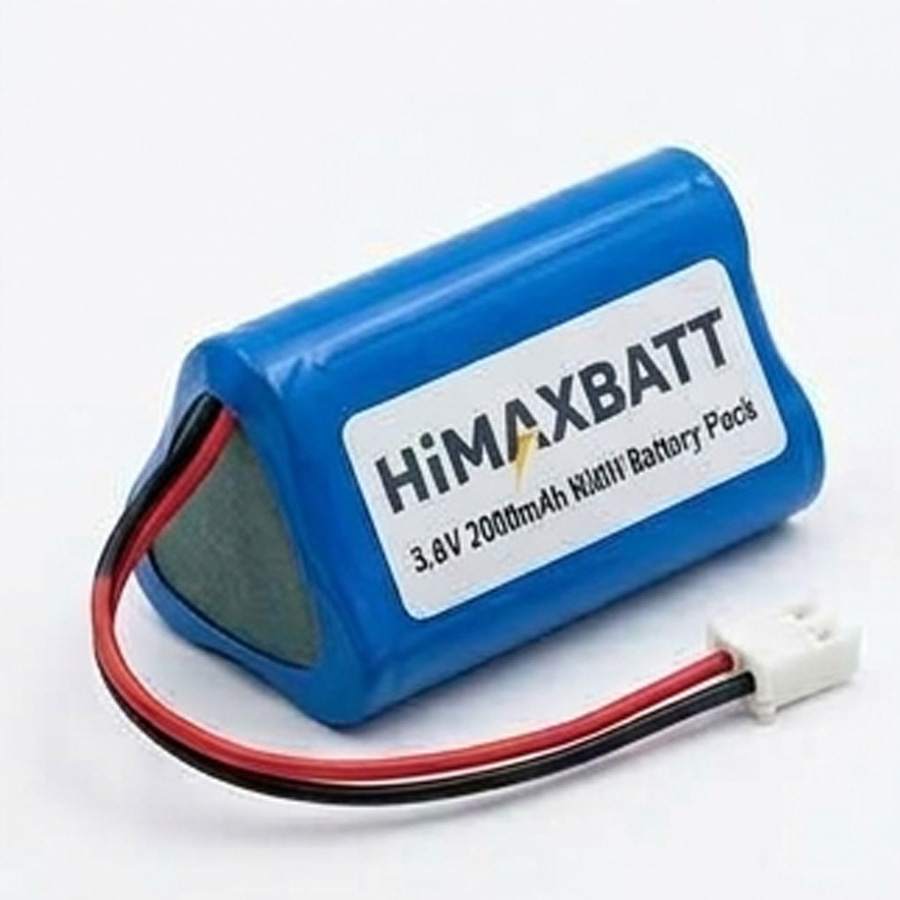
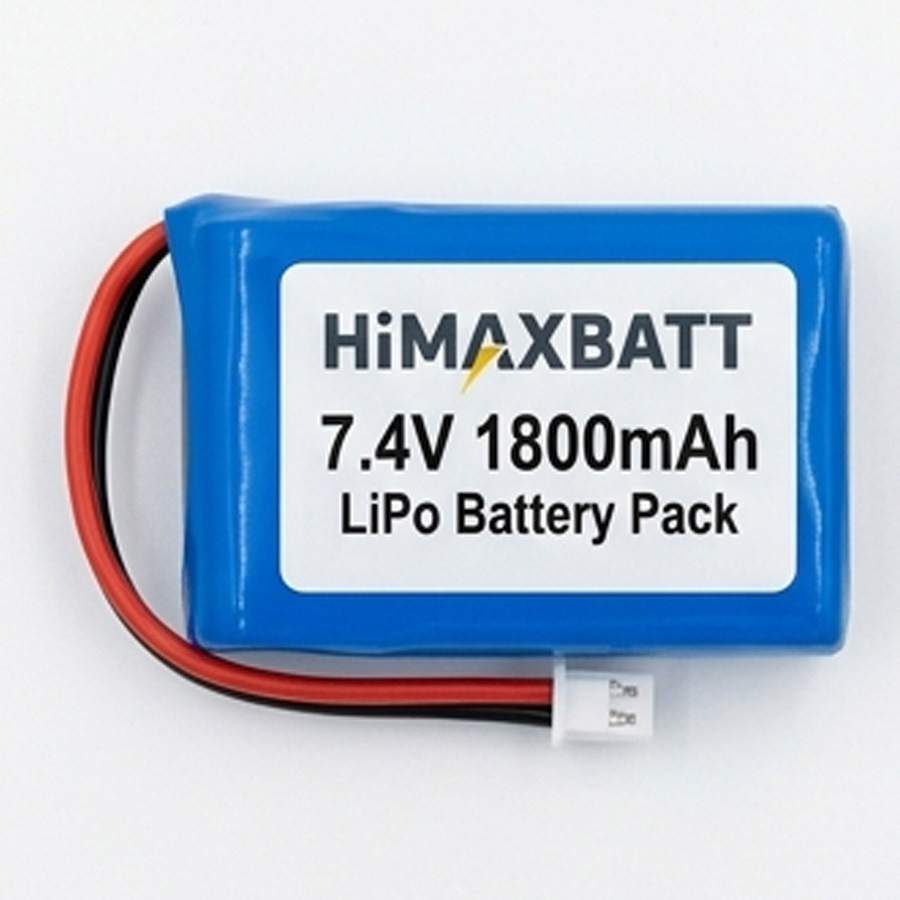
A lithium battery intended for wearable equipment should not be defined by cell capacity alone. Battery-pack safety design typically includes cell consistency control, protection-board parameters, temperature sensing, the current-carrying capability of nickel strips or wiring, flame-resistant enclosure materials, connector reliability, and finished-product testing.
Key areas to evaluate include:
- Overcharge and over-discharge protection:Helps prevent cells from operating outside their designed voltage range.
- Overcurrent and short-circuit protection:The protection circuitry should respond appropriately if a cable is damaged, foreign material enters a connector, or an abnormal load occurs.
- Temperature protection:For wearable use in hot environments, battery operation should be controlled according to battery temperature and product specifications.
- Cell consistency and balancing:In battery packs with cells connected in series, managing cell-voltage differences can affect service life and operating safety margins.
- Mechanical protection:The battery location should minimize exposure to compression, drops, sweat, and contact with metal objects.
- Labeling and traceability:Labels should identify the model, nominal voltage, capacity or energy, manufacturing information, warnings, and compatibility information.
UL Solutions notes that charging or discharging outside specified safety limits can cause internal damage and overheating, while drops, crushing, impacts, and unsuitable operating environments can increase the risk of internal short circuits. UL Solutions Lithium-Ion Battery Safety Guidelines
For consumers, a certification or test report should not be treated as an unconditional guarantee of safety regardless of operating conditions. More useful questions include whether the battery, charger, cables, and cooling vest have been validated as a complete system; whether the battery clearly identifies compatible models; and whether the seller provides clear specifications, operating instructions, and traceable after-sales information.
Charging and Storage Guide
Cooling vests are commonly used in hot summer environments, making temperature and ventilation particularly important during charging and storage. Permitted temperature ranges vary by battery chemistry and product design, so always follow the product manual rather than replacing manufacturer requirements with general assumptions.
| Scenario | Recommended Practice |
| Routine charging | Charge on a hard, flat, well-ventilated surface away from combustible materials and follow the product instructions |
| Charger selection | Use the supplied charger or a charger and cable specified or confirmed as compatible by the vest manufacturer |
| Hot weather | Allow a battery that has just completed high-load operation to cool naturally before charging according to the instructions |
| Overnight or unattended charging | Avoid charging while unattended or sleeping, and disconnect the charger after charging is complete |
| After exposure to rain or sweat | Make sure the connectors and enclosure are dry and free from corrosion before charging |
| Long-term storage | Store the battery at the charge level and temperature recommended in the manual, avoiding prolonged full charge or deep discharge |
| Signs of abnormal behavior | Stop using the battery if it swells, leaks, smokes, develops an unusual odor, becomes excessively hot, or has a damaged enclosure, and contact the seller or an appropriate recycling service |
CPSC consumer safety guidance recommends using the charger supplied or recommended by the manufacturer, monitoring the battery while it is charging, disconnecting it when charging is complete, and ensuring replacement batteries are suitable for the intended device. CPSC Charging Safety Guidance
Frequently Asked Questions
Can a Cooling Vest Use a Regular Power Bank?
It depends on the vest’s input specifications. If the vest uses standard 5V USB input and its actual power requirement does not exceed the power bank port’s continuous output capability, a power bank may be a suitable option. If the vest requires USB-C PD, 12V DC input, or a proprietary communication interface, a compatible protocol or the original battery may be required. Always verify voltage, connector type, polarity, and power requirements before connecting the battery.
How Long Can a 10,000mAh Battery Power a Cooling Vest?
Runtime cannot be determined from the 10,000mAh rating alone. First convert the battery capacity to Wh, then estimate runtime based on the vest’s average power consumption and conversion efficiency. A fan vest, for example, may consume significantly different amounts of power at low and high settings, so actual runtime should ideally be measured under the same environmental conditions and operating setting.
Is It Normal for the Battery to Get Warm?
A slight temperature rise may occur during discharge and power conversion. However, excessive heat, unusual odors, enclosure deformation, repeated shutdowns, or abnormal charging behavior should not be ignored. Stop using the battery, disconnect the load or charger, and follow the manufacturer’s after-sales procedures. Do not attempt to disassemble the battery pack yourself.
Can I Charge the Battery While Wearing the Cooling Vest?
Unless the product manual specifically supports this operating mode and provides clear conditions for doing so, it is not recommended. Simultaneous charging and discharging increase the complexity of thermal management and system control. This is especially important in hot environments, when the battery is covered by clothing, or while the wearer is moving.
Is It Safe to Carry the Battery in a Pocket?
Use the battery compartment or secured pouch designed for the vest, and keep the battery away from metal objects such as keys and coins. If the battery enclosure, connector, or cable is damaged, do not continue carrying it in a pocket or wearing it close to the body, as this may increase the risk of short circuits, punctures, or moisture intrusion from sweat.
How Should an Old Battery Be Disposed Of?
Do not place lithium batteries in household trash or attempt to disassemble them. Contact a local battery recycling center, household hazardous waste collection service, or the seller’s recycling program. During temporary storage or transportation, prevent the terminals from coming into direct contact with metal objects.
HiMAXBATT: Taking a Complete-System Approach to Cooling Vest Battery Selection
Selecting a lithium battery for a cooling vest requires evaluating voltage compatibility, Wh capacity, continuous output capability, protection functions, charger compatibility, and the actual operating environment together. For applications such as hot-weather work, outdoor cycling, or extended wear, consider conducting a real-world runtime test before regular use and monitor temperature rise at the battery and connectors. Clear specifications, proper charging practices, and prompt attention to abnormal battery behavior can help users operate cooling equipment more reliably.
HiMAXBATT provides lithium battery solutions for portable devices and custom battery applications. For wearable devices such as cooling vests, HiMAXBATT can work with brands and buyers to evaluate voltage, capacity, continuous discharge requirements, connectors, protection functions, and complete-system compatibility, helping establish clearer criteria for battery selection. Specific parameters, compatibility, and operating conditions should be based on product specifications, prototype testing, and the technical solution agreed upon by both parties.