| Commercial Summary: Generally, HiMAXBATT does not derive revenue from its articles; the editorial viewpoints expressed therein are our own and are published independently. We are a manufacturer of lithium batteries. |
Key Takeaways
- Cold weather can reduce usable energy and limit charging, even when a battery still powers your equipment.
- Self-heating, low-temperature charge protection, and insulation serve different purposes.
- Heating uses energy, so compare charging access, runtime, and overall system cost.
- Choose based on battery temperature, trip length, charging options, and installation conditions.
- Before buying, verify temperature limits, heating controls, charger compatibility, and supporting documentation.
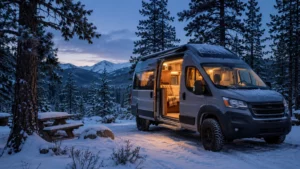
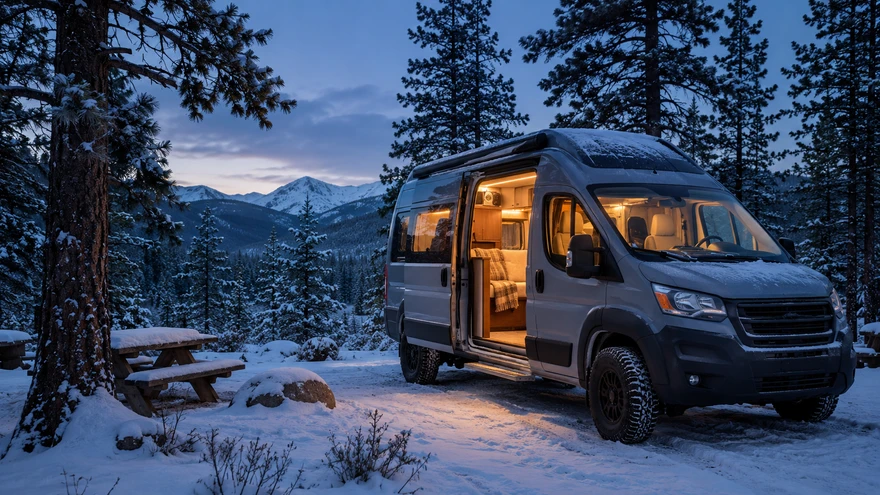
Winter camping depends on reliable power for lighting, portable refrigerators, and communication devices. But having enough rated battery capacity does not necessarily mean a battery can meet your power and charging needs in cold weather. Overnight temperature drops, early-morning solar charging, and battery placement can all affect performance.
So, should you choose a self-heating or standard lithium iron phosphate (LiFePO4) battery? From a battery manufacturing and system integration perspective, the decision should account for cell temperature, charging conditions, heating energy use, and how often you camp in cold weather—not just whether a battery has a heating feature.
How Does Cold Weather Affect LiFePO4 Batteries?
Low temperatures slow the electrochemical reactions inside a battery and increase its internal resistance. Under the same load, battery voltage may drop more noticeably, and less energy may be available. When a refrigerator compressor starts or an inverter powers a larger load, the system may also reach its low-voltage cutoff sooner.
This temporary reduction in available energy does not mean the battery has suffered an equivalent amount of permanent capacity loss. Some performance can return as the battery warms up, although recovery depends on cell condition and previous operating conditions.
Cold-weather charging requires a separate assessment. A review of lithium plating in lithium-ion batteries published by the Royal Society of Chemistry identifies low temperatures and high charging rates among the factors that increase lithium plating risk. LiFePO4 batteries with graphite anodes also require attention to this issue.
A battery’s ability to discharge in the cold therefore does not establish that it can be charged under the same conditions. Buyers should check charging and discharging temperature limits separately and follow the technical documentation for the specific cells and battery pack.
What Is the Difference Between Self-Heating and Standard LiFePO4 Batteries?
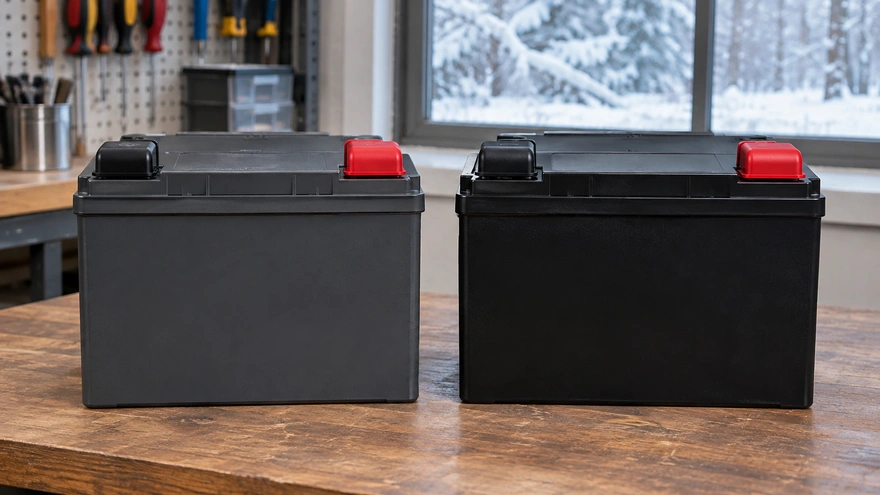
In this article, a standard LiFePO4 battery means a battery without integrated active heating. A self-heating model adds heating components, temperature sensing, and control logic to help bring the cells into their permitted charging temperature range.
Some products prioritize heating when a suitable external power source is connected, then begin charging. Other designs can draw energy from the battery itself. Activation temperatures, shutoff temperatures, required input current, and low-charge restrictions vary by model.
Buyers should distinguish among these three functions:
| Function | Main Purpose | Operating Limitation |
| Low-temperature charge protection | Limits or stops charging when temperature falls outside the configured range | Does not raise cell temperature |
| Self-heating | Uses electrical energy to raise cell temperature | Requires suitable power and operating conditions |
| Insulation | Slows heat transfer between the battery and its surroundings | Cannot actively maintain warmth indefinitely without a heat source |
Standard batteries can include low-temperature charge protection, and self-heating batteries still need appropriate protective controls. For manufacturers, heater placement, temperature sensor locations, and temperature differences between cells all require validation. A warm enclosure does not, by itself, prove that every cell inside is ready to charge.
Comparing Charging Access, Runtime, and Cost
When cell chemistry, capacity, and manufacturing quality are comparable, the main difference between these batteries is how they manage cold temperatures—not their rated capacity.
| Comparison | Standard LiFePO4 Battery | Self-Heating LiFePO4 Battery |
| Cold-weather charging | Requires warming into the permitted range or using an approved external temperature-control solution | Can heat before charging when its operating requirements are met |
| Heating energy use | No built-in heater consumption; external heating must be counted separately | Depends on heater power, operating time, and energy source |
| User attention | Requires monitoring warm-up conditions and charging timing | Requires monitoring heating status and available input power |
| Purchase cost | Typically lower with otherwise comparable specifications | Typically higher because of added components and controls |
| System validation | Requires protection and charger compatibility checks | Also requires verification of heating controls and fault protection |
To estimate self-heating energy use, start with “heater power × operating time.” For example, a hypothetical 60-watt heater running continuously for 30 minutes would consume approximately 30 watt-hours. This example illustrates the calculation; it does not represent measured performance for a particular product.
Actual warm-up time depends on starting temperature, battery size, insulation, and target temperature. If the controller cycles the heater on and off, the calculation should use its actual energized time. Heating powered by the battery consumes stored energy that would otherwise be available to equipment. Heating powered externally uses part of the available input power and charging window.
When comparing winter camping runtime, include equipment consumption, conversion losses, and temperature-management energy. Self-heating can improve access to charging under certain cold-weather conditions. Whether it increases the total energy available to your equipment depends on the trip’s overall energy balance.
Which Battery Fits Your Winter Camping Style?
Occasional Cold Weather and Short Trips
A standard battery can be a suitable choice if your trip is short, your starting charge covers expected consumption, and you do not need to recharge while the battery is too cold. You still need to confirm that battery temperature stays within the permitted discharge range and allow for reduced available capacity.
A battery installed inside a temperature-controlled cabin may experience very different conditions from one mounted in an exterior storage compartment. The weather forecast provides useful context, but it does not replace a battery temperature reading.
Frequent Cold Nights and Extended RV Travel
A self-heating battery deserves closer consideration if it regularly experiences cold nights and needs to recharge from solar panels or a vehicle charging system early in the day. When its power requirements are met, integrated heating can warm the cells with less need for manual intervention.
However, heater activation does not mean charging resumes immediately. Allow for warm-up time in your travel and charging plans, particularly when winter daylight hours and solar charging opportunities are limited.
Remote Camping With Limited Charging Options
Start with an energy budget before deciding whether self-heating is appropriate. Drawing on stored battery energy for heating may leave less power for nighttime lighting and communication devices. A heater that depends on external power may struggle to operate if available input is insufficient.
A suitable approach may include adding storage capacity, improving installation insulation, reducing nonessential loads, or changing charging times. Adding a heater does not resolve a shortage of available energy.
What Should You Confirm With a Battery Supplier Before Buying?
A sound selection process turns feature descriptions into verifiable specifications and test conditions.
| Area to Review | Details to Confirm |
| Temperature limits | Permitted charging and discharging temperatures, protection and recovery thresholds, and temperature-related current limits |
| Heating controls | Power source, activation and shutoff conditions, heater power, and low-charge restrictions |
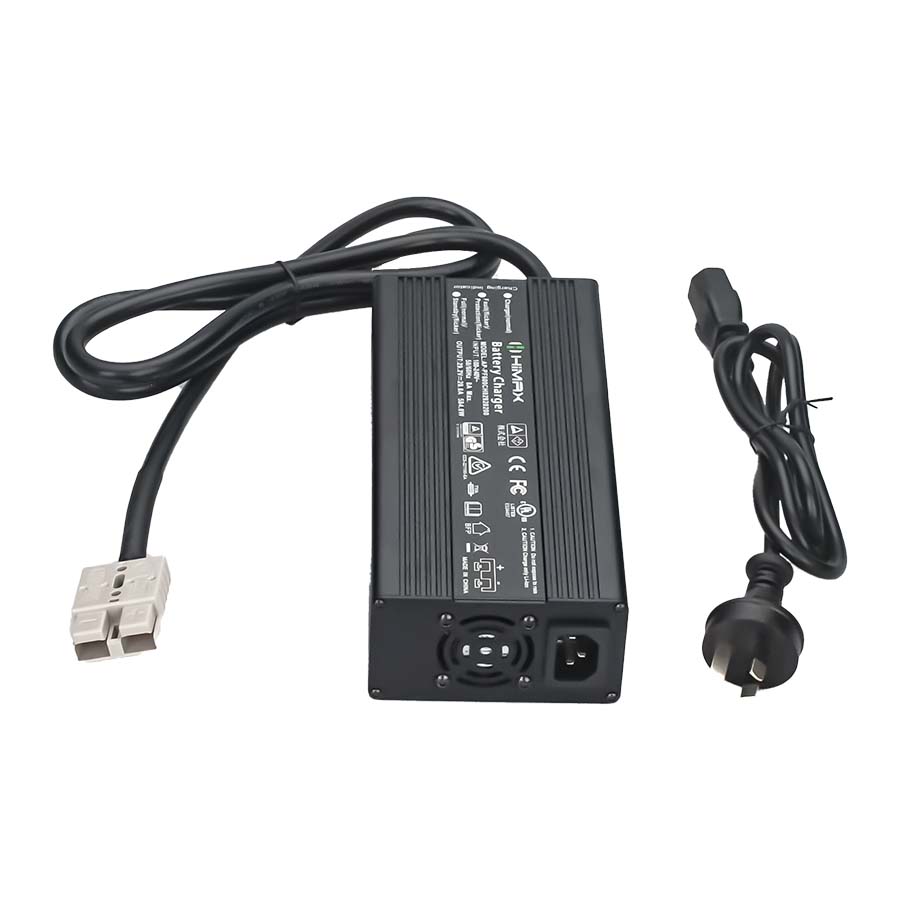
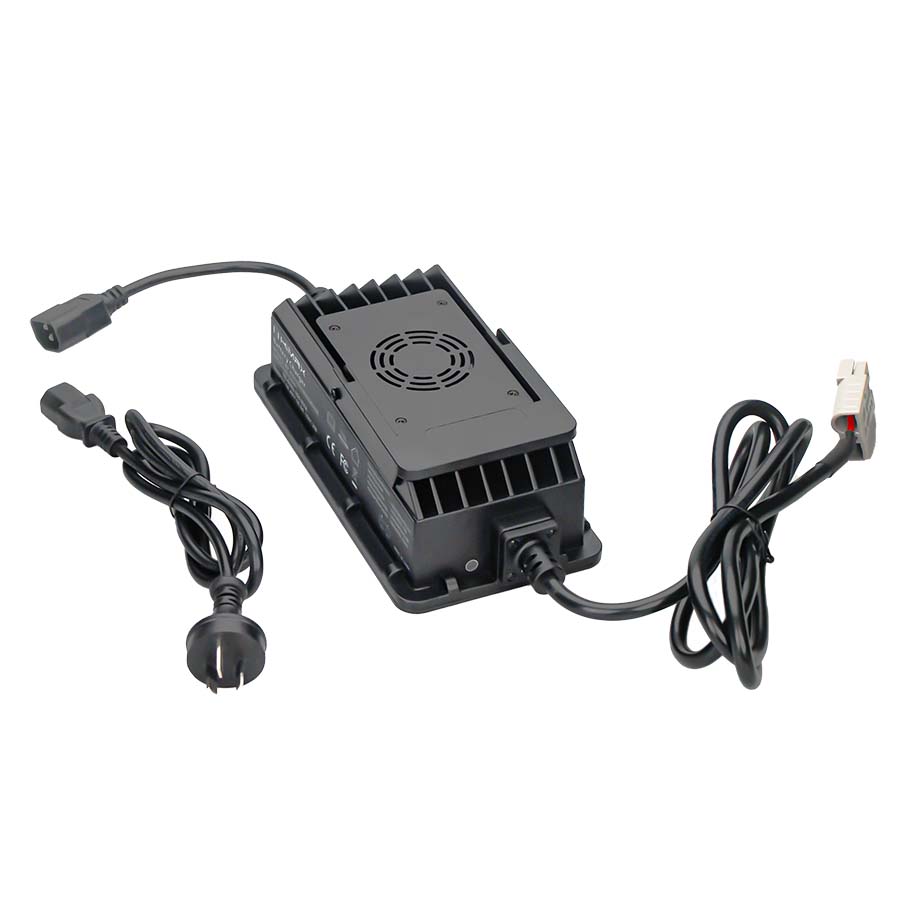
| System compatibility | Charging voltage and current requirements, plus compatibility with solar charge controllers and DC-to-DC chargers |
| Output capability | Continuous and peak current, permitted peak duration, and cold-weather derating requirements |
| Installation and delivery | Dimensions, mounting method, environmental protection requirements, manuals, and applicable test documentation |
When asking about warm-up speed, request the starting battery temperature, ambient temperature, power supply conditions, and battery configuration used in the test. A claim that heating takes “just a few minutes” is difficult to compare without those details.
Bulk buyers should also review consistency in sensor installation, heater connections, and control settings. Transportation test documentation and product safety certifications serve different purposes. Buyers should verify the documents required for their destination market and intended application rather than treating them as interchangeable.
Frequently Asked Questions About Winter Battery Use
How Do You Check Battery Suitability Before a Cold-Weather Trip?
Review the operating temperature limits in the manual, then inspect terminals, cable security, and protection status. Under manufacturer-approved conditions, run a check with the equipment you plan to use and confirm that temperature monitoring and alerts work properly. A high state-of-charge reading alone does not establish that the system is suitable for the conditions.
What Should You Do if Low-Temperature Charge Protection Activates?
Follow the manual and pause charging that falls outside the battery’s permitted conditions. Use an approved warming or heating method, then wait for the temperature and protection status to recover. Do not force charging by bypassing the battery management system, changing protection thresholds, or applying concentrated heat. If charging remains unavailable after the temperature recovers, check fault indications and contact the supplier.
How Should You Store the Battery After a Winter Camping Trip?
Use the storage state of charge specified in the manual, and distinguish storage temperature limits from charging temperature limits. If monitoring devices or other standby loads remain connected, check the remaining charge periodically. After moving a battery from a cold location into a warmer environment, check for condensation and wait until conditions are suitable before connecting equipment.
Conclusion: Match Battery to Your Winter Camping Needs
A standard LiFePO4 battery can suit trips with controlled charging and discharging temperatures and a clear energy plan. A self-heating model can suit applications that require cold-weather charging and have enough energy available to support heating. Evaluate temperature, capacity, charging options, and installation conditions together.
HiMAXBATT: Supporting Winter Power Needs Through Cell Selection and System Compatibility
HiMAXBATT is a lithium battery manufacturer serving business customers, with an emphasis on matching battery selection to actual operating conditions. For winter camping and RV applications, a thorough technical assessment should cover cell performance in cold weather, battery management system protection logic, heating controls, insulation, and charger compatibility. These factors help turn application needs into clearly defined product specifications. Buyers can share their ambient temperature range, load requirements, daily energy use, installation space, and charging methods with HiMAXBATT to discuss battery configurations, technical documentation, and supply requirements, supporting both technical reviews and purchasing decisions.