| Commercial Summary: Generally, HiMAXBATT does not derive revenue from its articles; the editorial viewpoints expressed therein are our own and are published independently. We are a manufacturer of lithium batteries. |
Key Takeaways
- A purpose-built LiFePO4 starter battery may replace a lead-acid battery in a compatible vehicle.
- Check cranking performance, actual capacity, battery dimensions, and terminal placement.
- Verify compatibility with the alternator, smart charging system, and start-stop features.
- Evaluate cold-weather starting and below-freezing charging separately.
- Consider installation, charging equipment, maintenance, and total cost before switching.
When your engine starts cranking slowly or your battery repeatedly loses its charge, you may start wondering: Should your next replacement be a lithium iron phosphate battery?
From a battery manufacturing standpoint, the answer involves more than comparing battery chemistries. Manufacturers need to evaluate cranking current, the battery management system, vehicle charging behavior, and operating temperatures. Lower weight and a similar nominal voltage do not establish that a battery is suitable for starting a car.
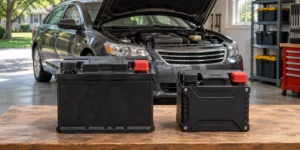
Can a LiFePO4 Battery Replace a Lead-Acid Car Battery?
The answer is: Some vehicles can use a LiFePO4 starter battery with verified compatibility, but a general-purpose energy storage battery should not be treated as a direct replacement. This article covers 12-volt starting systems in gasoline-powered vehicles, not EV traction battery replacements.
When an engine starts, the battery must deliver substantial current for a short period while maintaining enough voltage to support the vehicle’s electronics. An automotive starter battery needs cells, internal connections, terminals, and protection settings designed for that job.
General-purpose LiFePO4 storage batteries are typically designed for sustained power delivery. Even a high-capacity model may have a battery management system (BMS) that disconnects the output when cranking current exceeds its limit. A “12V” label, sufficient capacity, and a built-in BMS are not enough to establish suitability.
How Do LiFePO4 and Lead-Acid Starter Batteries Compare?
AGM is a type of lead-acid battery. When comparing options, distinguish between conventional flooded lead-acid, AGM, and purpose-built LiFePO4 starter batteries rather than treating all lead-acid products as the same.
| Comparison Factor | Lead-Acid Starter Batteries, Including AGM | Purpose-Built LiFePO4 Starter Batteries |
| Weight | Typically heavier for a comparable application | Can reduce weight when properly sized |
| Purchase price | Conventional replacement options generally cost less | Typically require a higher upfront investment |
| Service life | Affected by temperature, low-charge conditions, and usage | Also affected by temperature, charging behavior, and protection settings |
| Maintenance requirements | Vary by design; AGM batteries generally do not need water added | No watering required, but charging compatibility matters |
| Temperature performance | Cold temperatures can reduce cranking performance | Low-temperature charging restrictions also need attention |
Cycle-life figures from energy storage applications do not translate directly into years of automotive service. Engine starting, extended operation at a partial state of charge, and underhood heat can all affect battery life.
Can the Battery Start Your Engine and Fit Your Vehicle?
When evaluating a replacement, manufacturers need to verify both electrical performance and physical fit.
Check cranking specifications before comparing capacity. Cold cranking amps (CCA), cranking amps measured at warmer temperatures, and short-duration peak current ratings use different test conditions. Comparing the numbers alone can be misleading. Ask the supplier for the test temperature, discharge duration, and cutoff voltage so you can determine whether the rating meets your vehicle’s requirements.
The BMS also needs to handle the actual starting sequence, including the initial current surge, sustained cranking, and repeated starting attempts. A cell’s discharge rating does not establish the output capability of the complete battery pack.
| Item to Check | What to Confirm |
| Starting requirements | Vehicle model year, engine size, and original battery specifications |
| Current output | Cranking test conditions, output duration, and BMS protection thresholds |
| Actual capacity | Amp-hour rating, test conditions, and power needs while parked |
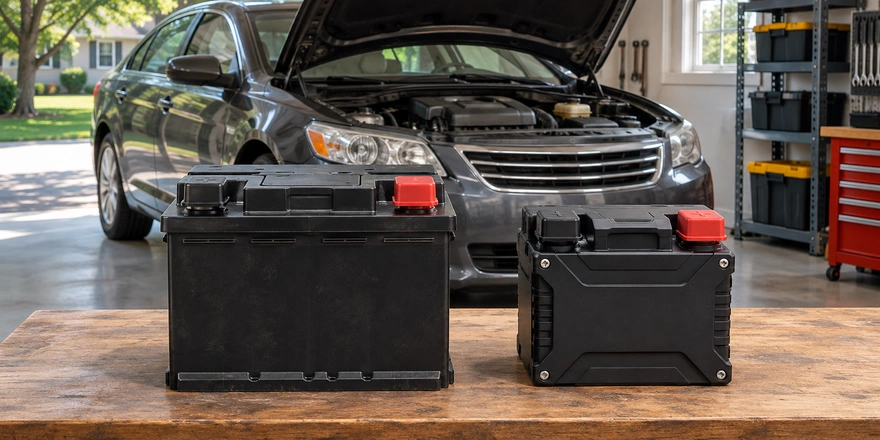
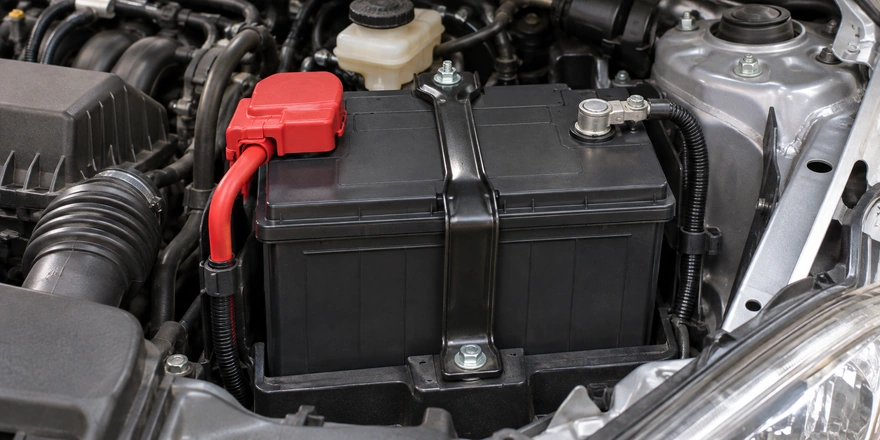
| Physical fit | BCI group size, case height, terminal polarity, and mounting points |
Capacity still matters. A battery that can start the engine may not provide enough reserve for parking-mode cameras, security systems, and standby electronics. A claimed “lead-acid equivalent” capacity should not be treated as the battery’s actual amp-hour capacity.
Check cable reach, terminal clearance, and mounting security as well. Batteries with similar dimensions may still be unsuitable if their terminal locations do not match the vehicle.
Is It Compatible With the Vehicle’s Charging and Electronic Systems?
A nominal 12-volt rating identifies a voltage class; it does not establish charging compatibility. Many LiFePO4 starter batteries use four cells connected in series, but their permitted charging range must still be checked against the specific product documentation.
While driving, the alternator and vehicle controls may adjust charging voltage based on temperature, electrical load, and battery condition. The supplier needs to confirm that these changes stay within the battery’s operating limits. Charging current after a deep discharge also needs to suit the cells, BMS, and vehicle electrical system.
Vehicles with automatic start-stop, smart charging, or battery sensors require additional checks. Some models need battery registration or coding after replacement. Vehicle documentation or a qualified technician should confirm whether the system supports a change in battery chemistry. Completing battery registration does not, by itself, establish lithium compatibility.
BMS protection behavior is another key validation point. If the battery suddenly disconnects because of overvoltage, undervoltage, or excessive current, the vehicle’s power supply may be affected. Manufacturers need to evaluate how the protection strategy interacts with the vehicle’s electrical system rather than assuming that built-in protection resolves every compatibility issue.
How Do Cold and Hot U.S. Climates Affect Suitability?
Cold-weather starting, low-temperature discharging, and low-temperature charging are separate issues. A battery’s ability to deliver current in cold weather does not mean it can accept a charge at the same temperature.
Battery education platform Battery University explains in its guide to charging batteries at high and low temperatures that conventional lithium-ion batteries have restrictions on charging below freezing. For a specific LiFePO4 product, drivers still need to check the cell specifications, permitted charging current, and temperature protection settings.
| Operating Conditions | What to Check |
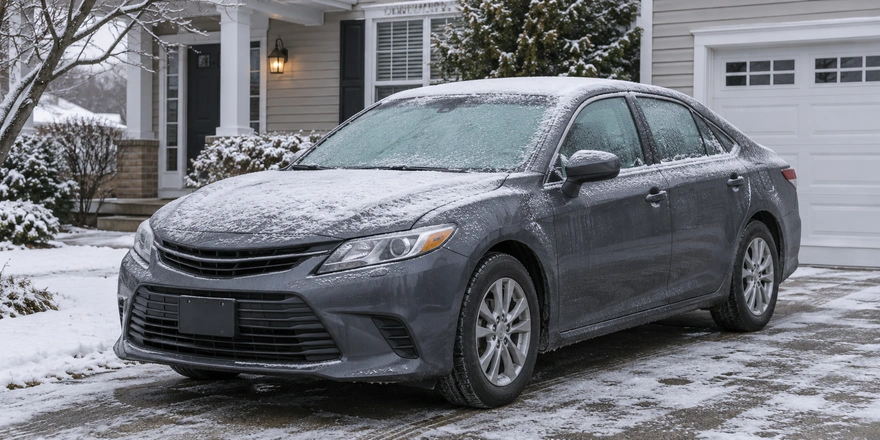
| Winter temperatures near or below 32°F (0°C) | Whether charging is restricted and which temperature triggers the restriction |
| Outdoor parking in a cold climate | Whether the fully cold-soaked battery can meet starting requirements and retain sufficient charge |
| A battery with built-in heating | The heater’s power source, activation conditions, and warm-up time |
| Underhood installation in a hot climate | Permitted operating temperatures, distance from heat sources, and heat management |
Built-in heating requires energy and time. It should not be taken as evidence that a battery can start the vehicle immediately in every cold-weather situation. In summer, consider the temperature at the actual installation location rather than relying on the local weather forecast alone.
Is Switching Worth It for Your Driving Habits?
Whether a replacement makes sense depends on both its practical benefits and the cost of making it compatible.
| Driving or Ownership Situation | How to Evaluate the Decision |
| Daily driving in a warm climate with documented vehicle compatibility | Compare weight savings with the total cost |
| Outdoor winter parking with daily dependence on the vehicle | Prioritize documented cold-start and low-temperature charging performance |
| An original AGM battery with automatic start-stop | Confirm system compatibility before considering a switch |
| Seasonal use or extended parking | Calculate standby power consumption and plan for recharging |
| A goal of reducing routine replacement costs | Compare lead-acid or AGM options that meet the original specifications |
Total cost should include installation, registration, compatible charging equipment, and ongoing maintenance. When documented compatibility is unavailable, staying with a lead-acid or AGM battery that meets the vehicle manufacturer’s specifications generally makes service and replacement more straightforward.
What Should You Know About Installation and Maintenance?
Follow both the vehicle manufacturer’s and battery manufacturer’s instructions. The installer needs to confirm the power-down procedure, terminal tightening requirements, mounting hardware, and any required registration steps, then check that the charging system operates correctly.
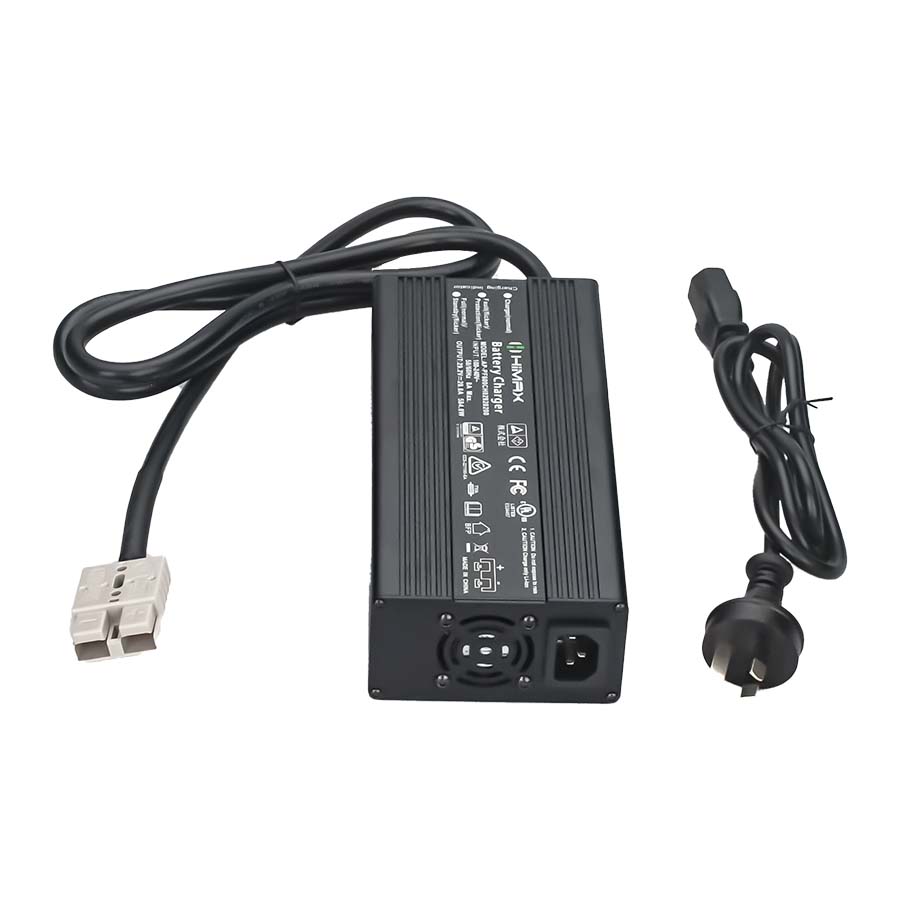
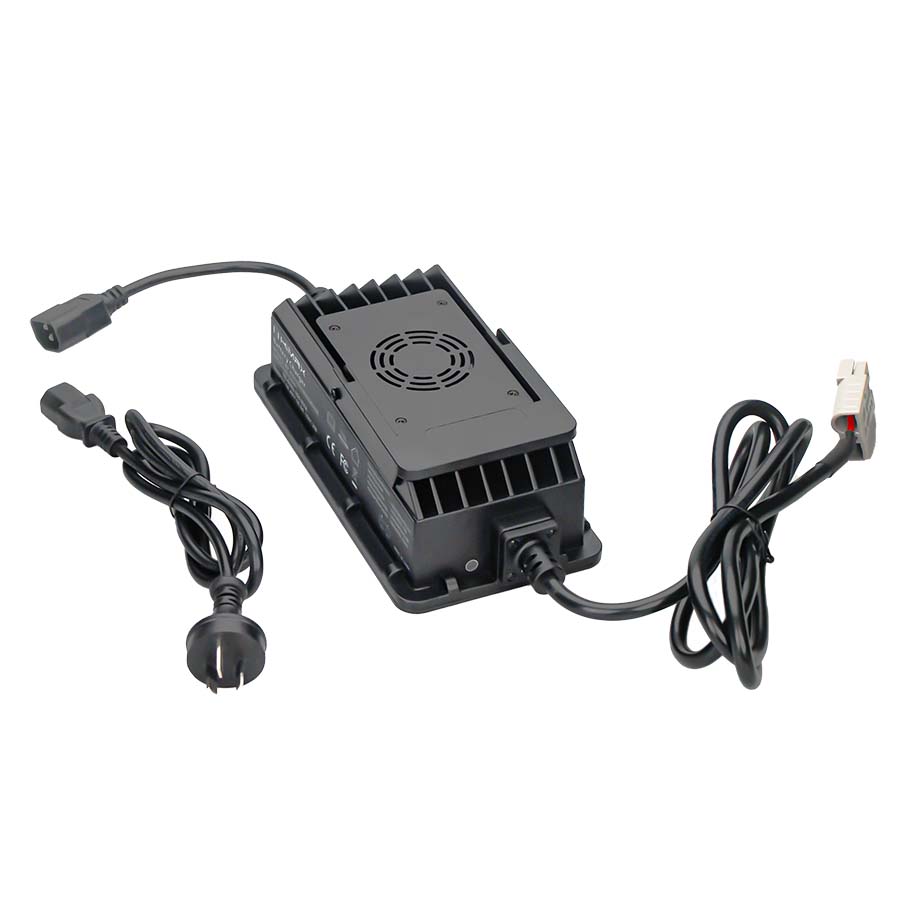
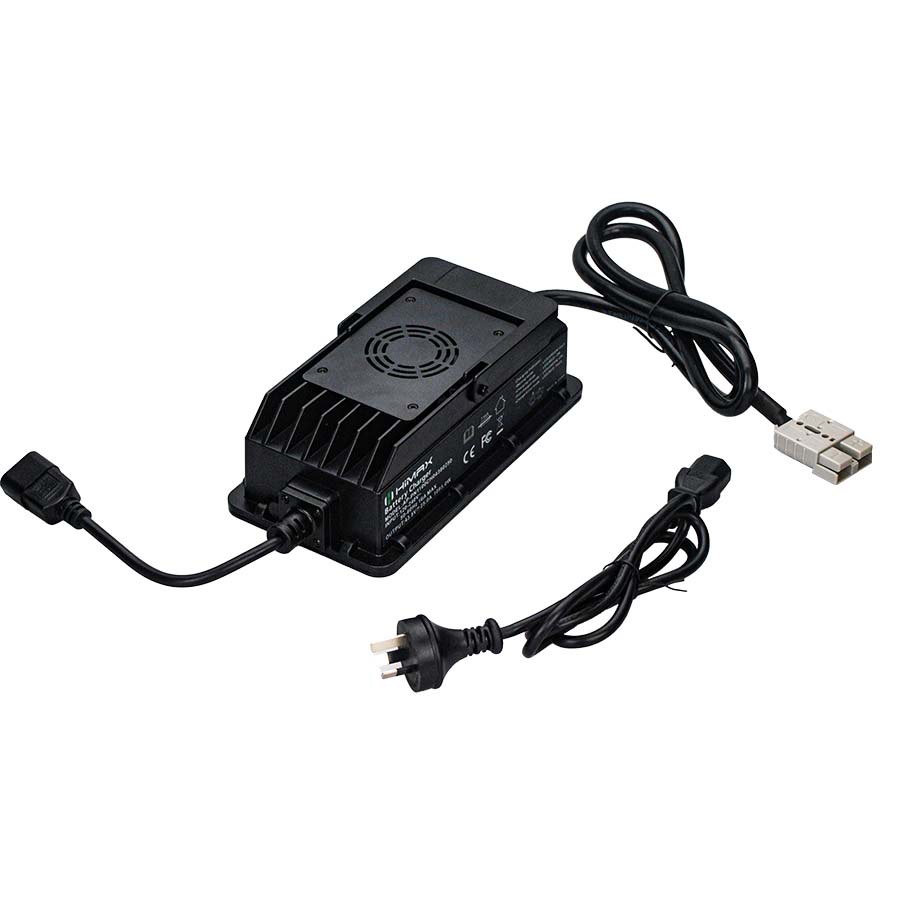
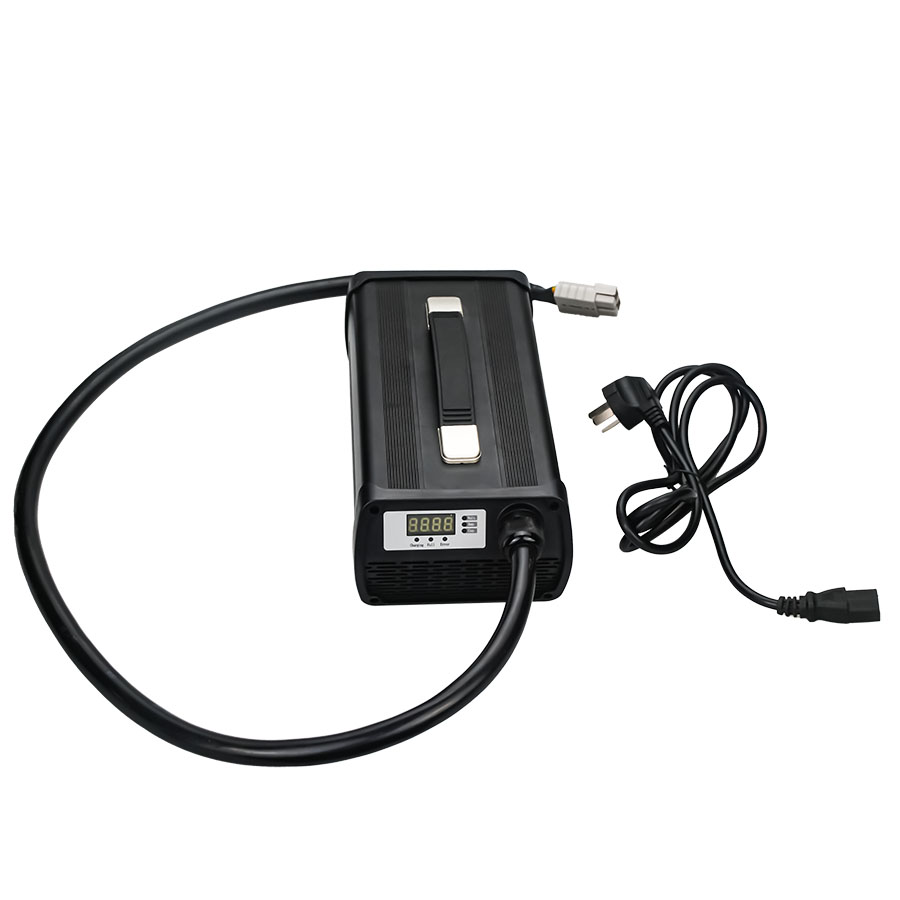
An external charger should be approved for use with the battery. Lead-acid chargers with desulfation, reconditioning, or equalization programs may use voltage profiles that are unsuitable for the lithium battery. A connector that fits does not establish compatibility.
Before leaving the vehicle parked for an extended period, check its standby current draw and follow the battery manufacturer’s recharging guidance. Take the old lead-acid battery to an auto parts store, repair shop, or local recycling facility that accepts it, and confirm acceptance requirements in advance.
FAQs: Extended Parking, BMS Shutdowns, and Jump-Starting
Do You Need a Battery Maintainer for Long-Term Parking?
Not necessarily. Base your plan on the battery’s actual capacity, the vehicle’s standby current draw, and the expected parking duration. Before leaving a maintainer connected, confirm that its maintenance mode is suitable for the battery.
Can I Keep Trying to Start the Engine After the BMS Shuts the Battery Off?
Repeated attempts are not recommended. First check for low charge, abnormal temperatures, or connection problems, then follow the manufacturer’s recovery procedure. Bypassing the BMS can remove its protection and should not be treated as a routine solution.
Can I Use a Regular Jump Starter or Another Vehicle to Jump-Start the Car?
Check both the battery’s and vehicle’s jump-starting instructions. Confirm the voltage, designated connection points, and whether an external power source may be used to wake the battery. If the battery is swollen, smells unusual, is abnormally hot, or shows damage, stop and have it inspected.
Make the Decision Based on Your Vehicle, Climate, and Usage
Replacing a lead-acid car battery with LiFePO4 requires the battery and vehicle systems to work together. Before buying, gather your vehicle’s model year, engine details, original battery specifications, local climate information, and parking habits. These details help a supplier make a more informed recommendation.
About HiMAXBATT: A Lithium Battery Manufacturer Focused on Application Needs and System Compatibility
HiMAXBATT is a lithium battery manufacturer serving the global B2B market, focused on matching cell performance and battery pack design to real-world operating conditions. From cell selection and series-parallel configurations to battery management system (BMS) protection strategies and charge-discharge performance evaluation, we consider how each element affects battery reliability. Across a range of applications, we support customers with product selection, project evaluation, and long-term collaboration.