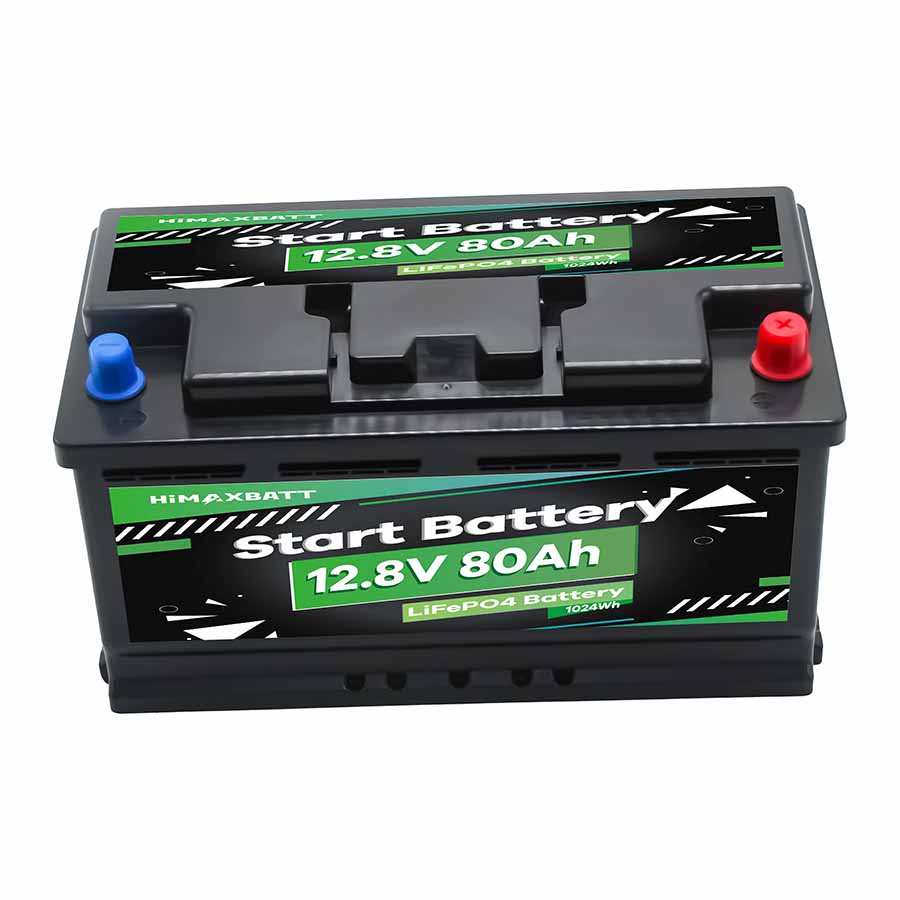
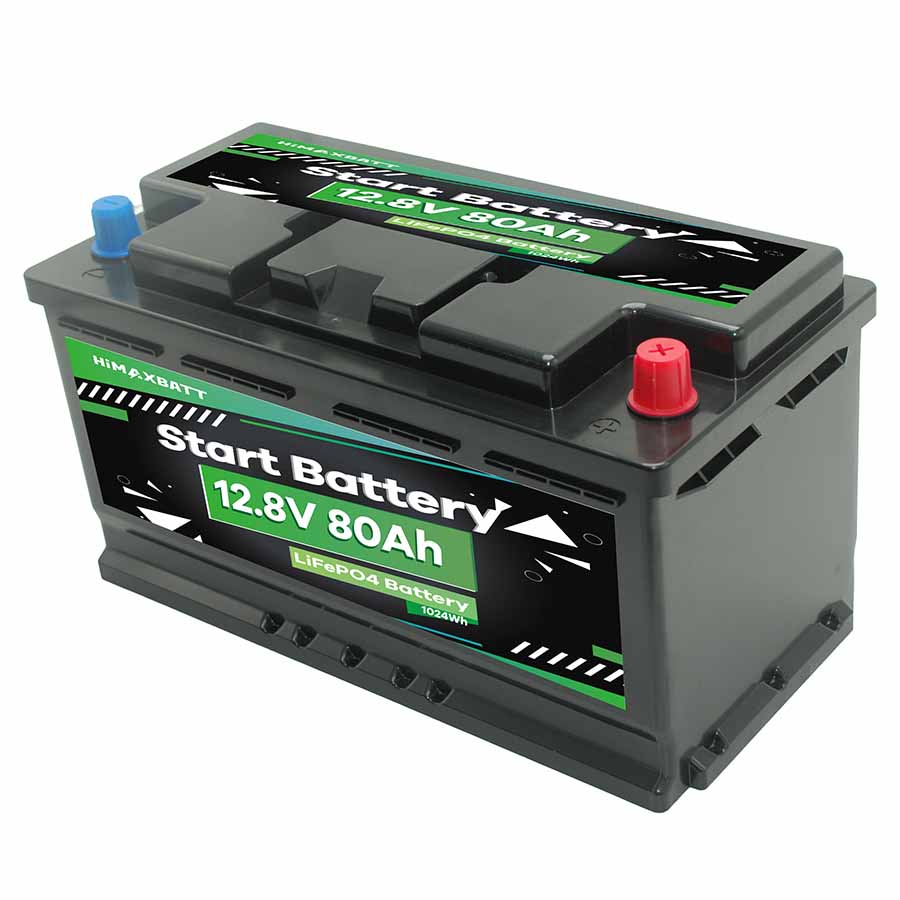
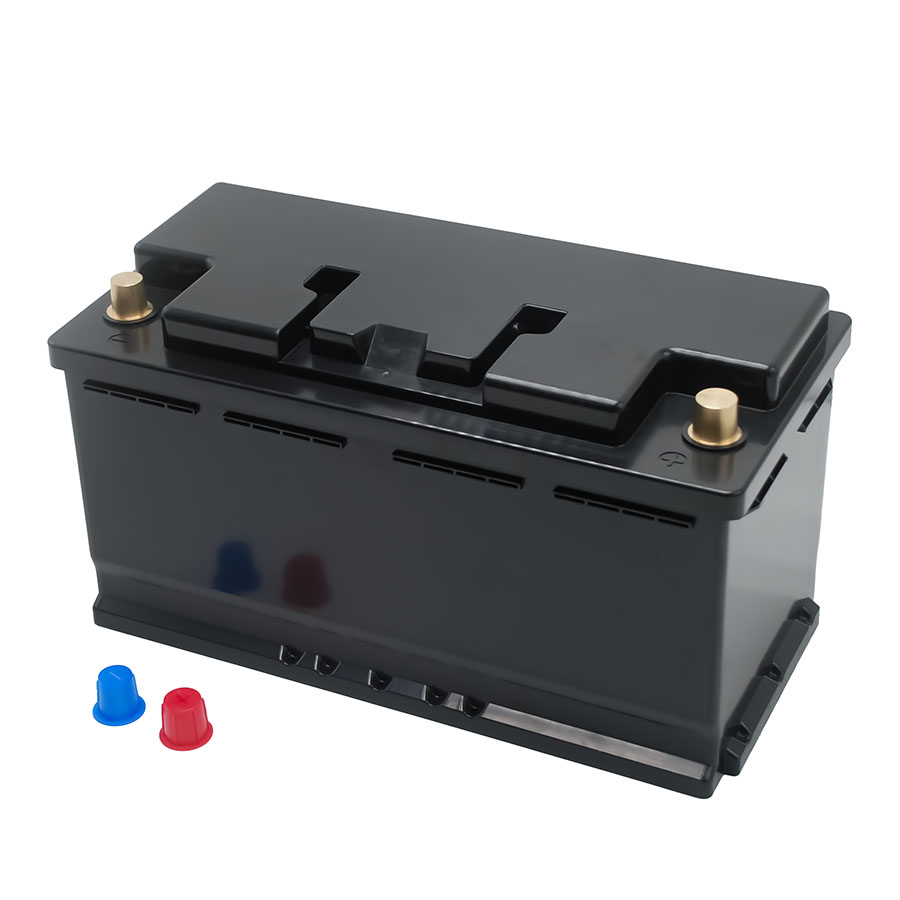
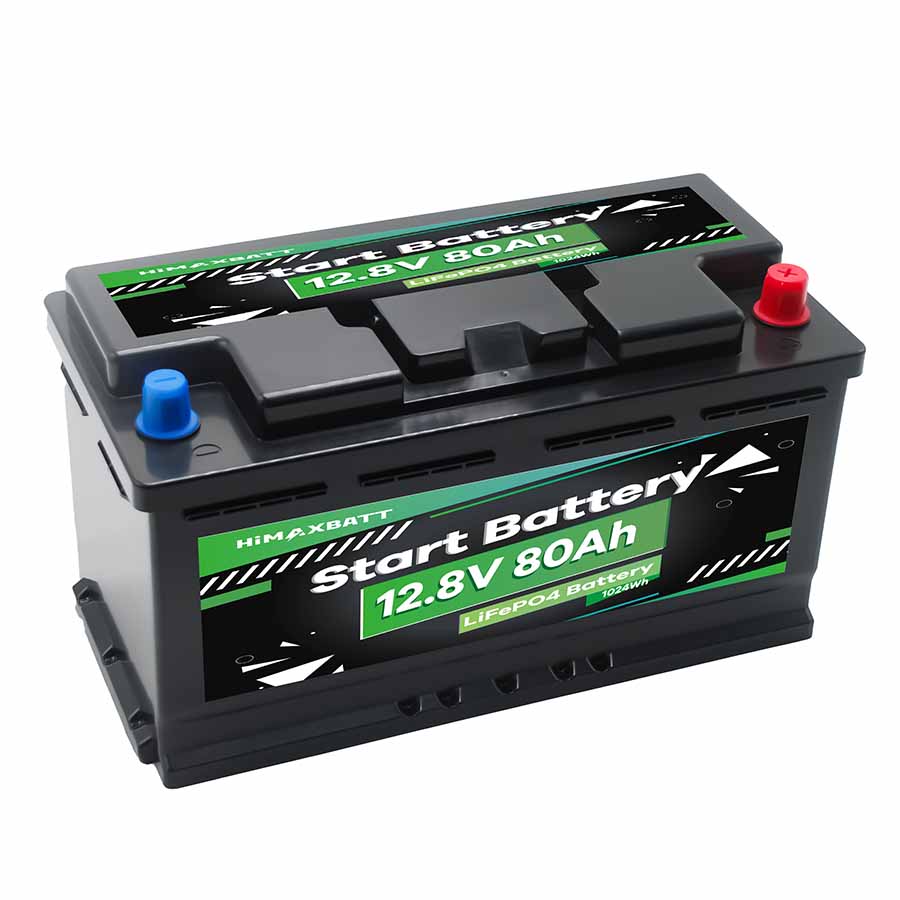
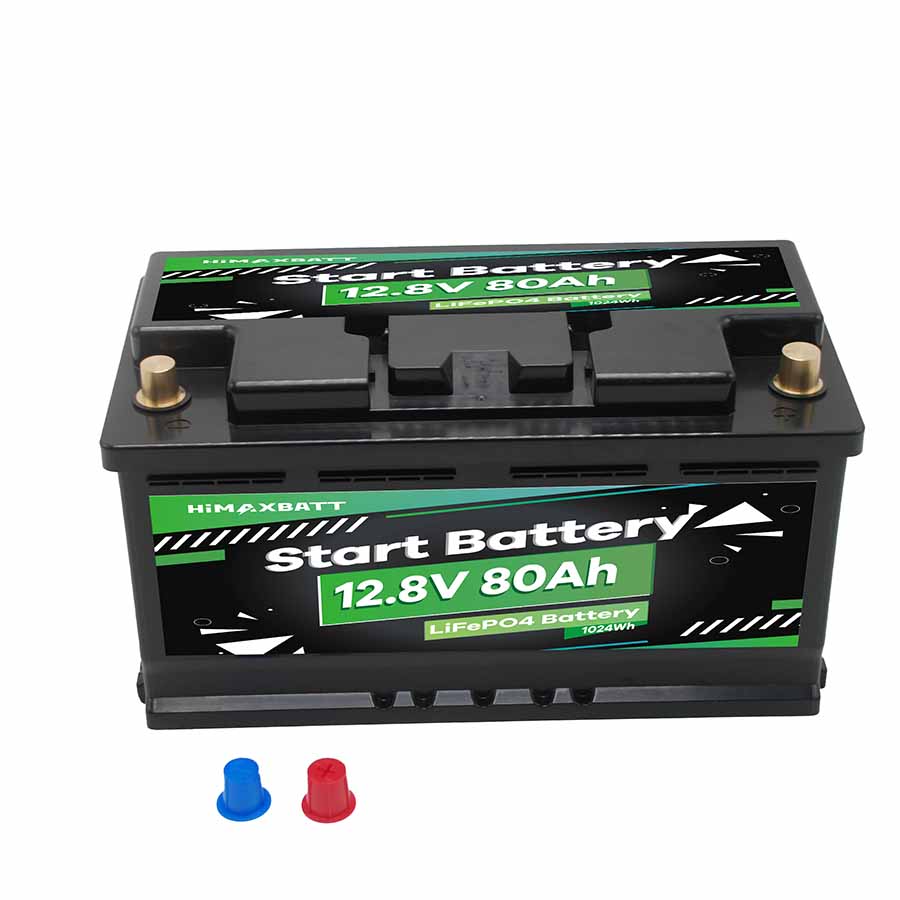
Yes. The enclosure dimensions (318 x 175 x 190 mm) match standard DIN H7 / BCI Group 94R vehicle battery tray sizes, and the solid SAE brass posts (POS 19mm / NEG 17mm) connect directly to factory car battery terminals without modification. The 12.8V nominal voltage is completely native to standard 12V automotive electrical architectures.
Thanks to high-rate LiFePO4 cells with an internal resistance of ≤10 mΩ, the battery eliminates the severe voltage drop common in lead-acid batteries at sub-zero temperatures. At -20°C (-4°F), it sustains a high 750A pulse discharge for 3–5 seconds, supplying instant cranking power to start gasoline and diesel engines.
Yes. Modern automotive alternators output a regulated charging voltage between 13.8V and 14.4V, which falls safely within the battery’s charging envelope. The BMS supports up to 100A continuous charge current with overcharge shutdown set at 14.6V (3.65V/cell), making it fully compatible with vehicle charging systems.
The integrated BMS includes hardware short-circuit isolation with a 200–600 µs response time to safeguard vehicle wiring. It also cuts off discharge at 10.0V (recommended low voltage disconnect at 11.0V) and incorporates a 75°C (167°F) high-temperature cutoff to protect against engine heat soak.
Dropping over 14kg (60%+) from the engine bay reduces front-axle weight bias, which enhances steering response, reduces suspension wear, and improves overall vehicle fuel economy. It also simplifies manual battery replacement in tight engine compartments.