Commercial Disclosure: The HiMAXBATT Editorial Team brings together expertise in lithium battery manufacturing, battery engineering, power systems, and global application support to provide practical, technically informed content for businesses and industry professionals. Our content covers lithium-ion and LiFePO4 batteries, custom battery packs, BMS technology, charging solutions, battery selection, industrial applications, product updates, and HiMAXBATT news. All content reflects HiMAXBATT’s official editorial perspective and our commitment to delivering safe, reliable, and application-focused lithium battery solutions to customers worldwide.
Key Takeaways
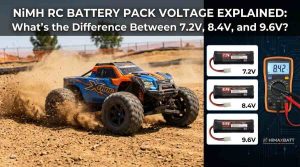
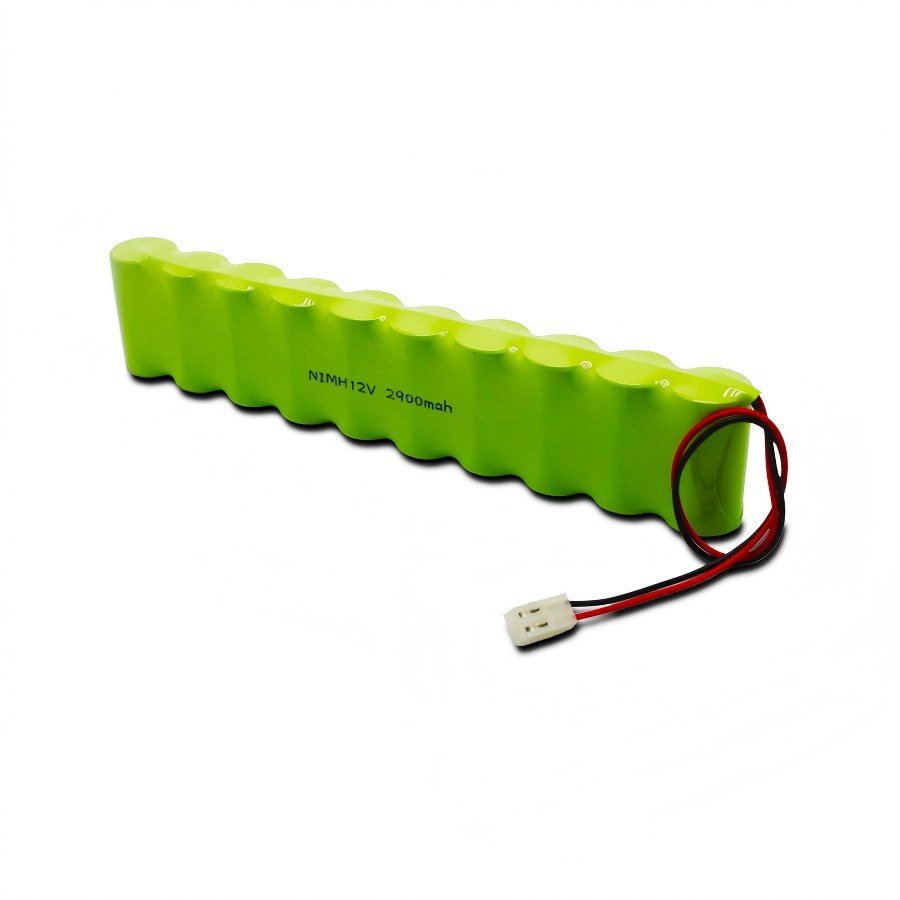
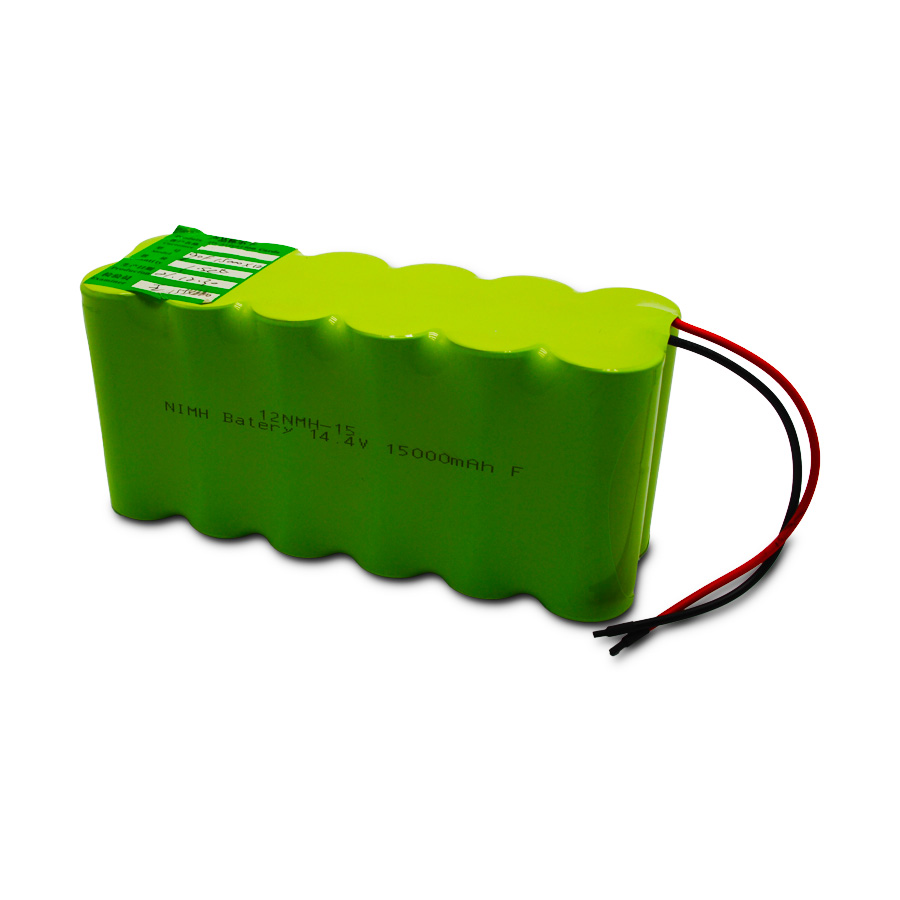
- NiMH stands for nickel-metal hydride. A single NiMH cell typically has a nominal voltage of 1.2V, so 7.2V, 8.4V, and 9.6V battery packs are generally made up of 6, 7, and 8 cells connected in series, respectively.
- Voltage affects how the power system operates, but the actual speed of an RC model also depends on the motor, ESC, gear ratio, total vehicle weight, and how well the battery maintains voltage under load.
- Voltage and capacity are different specifications. When comparing runtime, you should consider the battery’s watt-hours, actual power consumption, and usable capacity together.
- When replacing a battery, matching the connector is not enough. You also need to check the number of NiMH cells supported by the ESC, the motor’s operating range, battery compartment dimensions, and charger specifications.
- When choosing a NiMH RC battery pack, overall system compatibility should come first, followed by the trade-offs among power, runtime, and weight.
Where Do 7.2V, 8.4V, and 9.6V Come From?
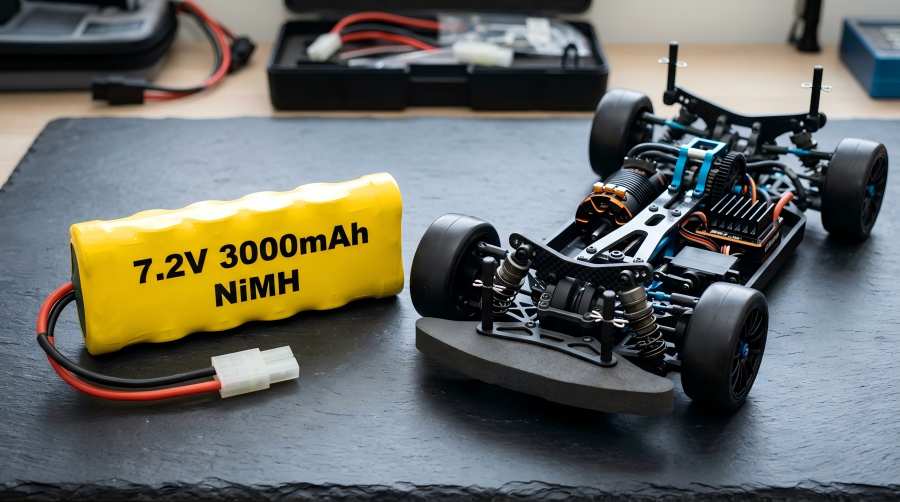
NiMH battery packs used in RC cars, model boats, and similar applications are typically made by connecting multiple nickel-metal hydride cells in series. In a series configuration, the voltage of each cell is added together.
The calculation is:
Battery Pack Nominal Voltage = Single-Cell Nominal Voltage × Number of Cells in Series
Using 1.2V per cell, six cells in series produce 7.2V, seven cells produce 8.4V, and eight cells produce 9.6V. RC product specifications also commonly identify 7.2V packs as 6-cell packs and 8.4V packs as 7-cell packs.
It is important to distinguish nominal voltage from actual operating voltage. Nominal voltage is a specification used to identify the battery; it does not mean the battery will remain at that exact voltage while charging, resting, or operating. Actual measured voltage varies with state of charge, temperature, and load.
Also, connecting cells in series does not add their amp-hour capacity. For example, six 3000mAh cells connected in series create a 7.2V, 3000mAh battery pack—not an 18,000mAh battery pack.
What’s the Difference Between 7.2V, 8.4V, and 9.6V NiMH RC Battery Packs?
The table below compares single-series battery packs made with the same type and capacity of cells. Actual dimensions, weight, and discharge capability will still depend on the specific product design.
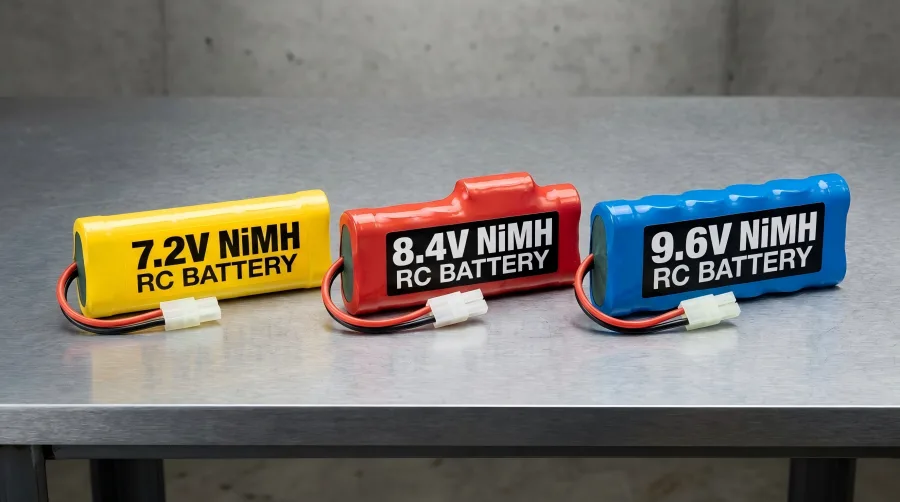
| Comparison | 7.2V NiMH Battery Pack | 8.4V NiMH Battery Pack | 9.6V NiMH Battery Pack |
| Number of Cells in Series | 6 cells | 7 cells | 8 cells |
| Nominal Voltage Increase vs. 7.2V | Baseline | Approx. 16.7% | Approx. 33.3% |
| Assumed Nominal Capacity | 3000mAh | 3000mAh | 3000mAh |
| Estimated Nominal Energy | 21.6Wh | 25.2Wh | 28.8Wh |
| Total Cell Weight | Baseline | Approx. 1.17× the weight of 6 cells | Approx. 1.33× the weight of 6 cells |
| Pack Configuration | 6-cell arrangement | 1 additional cell may change pack length or height | 2 additional cells require the layout to be rechecked |
| Requirement for Use | Device supports 6-cell NiMH packs | Device supports 7-cell NiMH packs | Device supports 8-cell NiMH packs |
The energy values in the table are calculated using nominal voltage × capacity, where 3000mAh = 3Ah. These figures are useful for comparing specifications but do not represent the exact amount of energy available under a specific operating condition.
The weight ratios account only for identical battery cells and do not include differences in wiring, interconnects, connectors, or housings.
Does a Higher Voltage Make an RC Car Faster?
Within the operating limits of the motor, ESC, and drivetrain, increasing the supply voltage can generally increase the motor’s potential speed. However, the percentage increase in voltage should not be treated as an equivalent percentage increase in vehicle speed.
For example, replacing a 7.2V NiMH battery with an 8.4V pack increases the nominal voltage by approximately 16.7%, but that does not mean the vehicle will actually become 16.7% faster. Tire load, drivetrain losses, aerodynamic drag, battery voltage sag, and ESC control behavior can all affect the result.
From a battery manufacturing and system-matching perspective, several additional factors should be considered:
- Voltage Under Load:A normal no-load voltage reading does not necessarily mean the battery will maintain that voltage during acceleration.
- Discharge Capability:Two batteries with the same voltage and mAh rating may not be suitable for the same current demand.
- Temperature Rise:Increasing voltage may change current draw and heat generation under the same driving conditions.
- Mechanical Load:Higher motor speeds may place additional stress on gears, driveshafts, and tires.
Therefore, whether a 9.6V NiMH battery pack is suitable for a particular RC car depends on whether the complete power system supports an 8-cell NiMH configuration. Battery voltage alone is not enough to determine compatibility.
Which Lasts Longer: 7.2V, 8.4V, or 9.6V?
Runtime should be evaluated based on both energy and power consumption. Comparing voltage alone—or mAh alone—does not provide the full picture.
A basic estimate can be made using:
Runtime (hours) ≈ Usable Energy (Wh) ÷ Average Power Consumption (W)
At the same 3000mAh capacity, a 9.6V battery pack has more nominal energy than a 7.2V pack. If average power consumption remains the same and the proportion of usable energy is similar, the higher-energy battery pack could theoretically provide a longer runtime.
However, operating conditions in RC models often change with battery voltage. A higher voltage may encourage harder acceleration, higher speeds, and greater average power consumption. The additional battery weight may also increase the load. As a result, a 33.3% increase in nominal energy does not automatically translate into a 33.3% increase in runtime.
If your primary goal is longer runtime, it may be more useful to compare batteries with different capacities at the original compatible voltage while also checking weight, dimensions, and discharge capability. This makes it easier to separate the effects of increased capacity from those of increased voltage.
Can You Replace a 7.2V Battery with an 8.4V or 9.6V Battery?
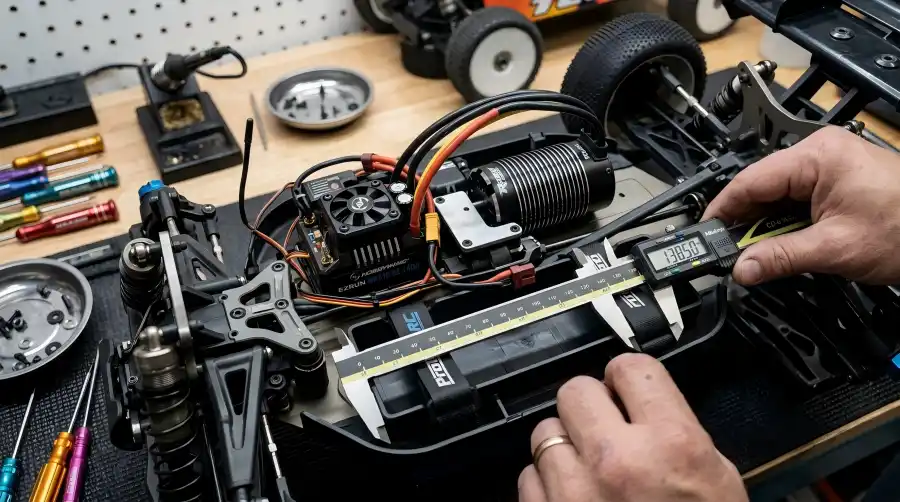
A higher-voltage battery should only be used if the equipment explicitly supports the corresponding number of NiMH cells and all other specifications are compatible.
When selecting an upgraded battery for an RC model, check each of the following:
| Item to Check | What to Confirm | Potential Problems If Ignored |
| ESC Input Range | Whether it explicitly supports 6-, 7-, or 8-cell NiMH packs | Input voltage may exceed the supported range, causing overheating or damage |
| Motor Specifications | Allowed voltage, load, and manufacturer-recommended configurations | Excessive temperature rise or reduced service life |
| Receiver and Servo Power | Whether power is regulated through a BEC or supplied by a separate battery | Drive battery voltage may be applied directly to low-voltage electronics |
| Battery Compartment | Length, width, height, and mounting method | Battery may not fit, wiring may be compressed, or the pack may come loose during operation |
| Connectors and Wiring | Polarity, contact condition, and current-carrying capability | Reverse polarity, connector heating, or excessive voltage drop |
| Charger | NiMH compatibility and supported number of series-connected cells | Improper charging or inability to charge the pack correctly |
One important point is that an ESC rated for a particular lithium battery configuration is not automatically compatible with every NiMH battery pack. Always check the manufacturer’s documentation for the supported NiMH cell-count range.
Receiver batteries should also not be confused with drive batteries. Some RC models use a separate receiver battery, so the specifications of the receiver, servos, and power supply module should be checked independently before making a replacement.
Why Can’t You Choose a NiMH Charger Based on Voltage Alone?
To charge a 7.2V, 8.4V, or 9.6V NiMH battery pack, you need a charger specifically designed for NiMH chemistry and the corresponding number of cells in series.
For example, a charger rated for 5–7 NiMH cells should not be assumed to support an 8-cell, 9.6V battery pack. One HiMAXBATT NiMH charger, for example, specifically lists a supported range of 5–7 cells and 6.0–8.4V.
NiMH charging needs to be managed according to the cell requirements and charge rate. Depending on the charger design, voltage change, temperature change, and time limits may be used for charge termination and protection. Nominal battery voltage should not be treated as a fixed full-charge cutoff voltage.
In actual use, keep the following points in mind:
- Set the charging current according to the battery specifications. Do not assume that a battery supports fast charging based on capacity alone.
- If the battery is still hot after operation, allow it to return to the manufacturer’s permitted charging temperature range before charging.
- Do not use a lithium battery charging mode to charge a NiMH battery pack.
- Stop using the battery and investigate the cause if you notice abnormal overheating, leakage, or damage to the outer covering.
From a Manufacturing Perspective, What Else Matters Besides Voltage?
Cell Consistency
The same current flows through every cell in a series-connected battery pack. If there are significant differences in capacity or state of charge, weaker cells may reach a deeply discharged state earlier than the others. During cell matching, capacity, internal resistance, and self-discharge characteristics should be evaluated together. Similar open-circuit voltage alone is not enough to determine whether cells are well matched.
Connection Quality and Current Path
Interconnects, welds, wiring, and connectors all introduce electrical resistance. At the same current, higher resistance results in greater voltage drop and heat generation. In engineering terms, these relationships can be understood as voltage drop ≈ current × resistance and heat generation ≈ current² × resistance.
Therefore, when determining whether an RC NiMH battery pack is suitable for a high-load application, the design of the entire current path should be evaluated—not just the battery cells.
Validation Under Real-World Operating Conditions
For RC battery packs, sample validation should cover operating conditions such as startup, sustained acceleration, repeated load cycles, and realistic ambient temperatures whenever possible. Voltage, current, and temperature rise should be recorded during testing.
When comparing data from different suppliers, make sure the test current, ambient temperature, and discharge cutoff conditions are consistent. Capacity or discharge results measured under different test conditions should not be compared directly.
FAQ About NiMH RC Battery Pack Voltage
Is It Normal for a Fully Charged 7.2V NiMH Battery to Measure More Than 7.2V?
Yes, it can be normal. 7.2V is the nominal voltage, and the open-circuit voltage immediately after charging will typically be higher. Battery condition should also be evaluated based on when the measurement was taken, temperature, rest time, and battery specifications—not simply on whether the voltage exceeds 7.2V.
Are an 8.4V NiMH Battery and a 7.4V Lithium Battery Interchangeable?
Not based on voltage alone. They use different battery chemistries and have different charging methods, discharge characteristics, and protection requirements. Before making a replacement, confirm that the device, ESC, and charger all support the intended battery type and adjust the settings according to the manufacturer’s instructions.
Is a 9.6V NiMH Battery Always More Powerful Than an 8.4V Battery?
Not necessarily. Startup and acceleration performance depend on voltage under load, internal resistance, sustainable current output, motor characteristics, and drivetrain matching. If a 9.6V battery pack is not suited to the device’s current demand, it may still experience significant voltage sag and heat buildup despite its higher nominal voltage.
Why Do Two 7.2V, 3000mAh NiMH Batteries Perform Differently?
Differences may come from cell type, battery age, state of charge, internal resistance, connection quality, and the conditions used for capacity testing. The mAh rating primarily describes charge capacity under specified conditions and does not, by itself, represent power performance.
Can I Add Two Cells to a 7.2V Battery Pack to Make It 9.6V?
Eight cells in series do produce a nominal voltage of 9.6V, but an actual modification involves more than the voltage calculation. Cell matching, connection quality, insulation, available space, and compatibility with the complete system must all be considered. Mixing cells of different types or different ages is not recommended. A properly matched and validated battery pack should be used instead.
Do NiMH Batteries Need to Be Fully Discharged Before Every Recharge?
No. There is no need to deliberately run the battery until the device can no longer operate. Excessive discharge can increase the risk of cell reversal in a series-connected pack, particularly when one cell is weaker than the others. When performance drops noticeably, stop operating the model according to the equipment