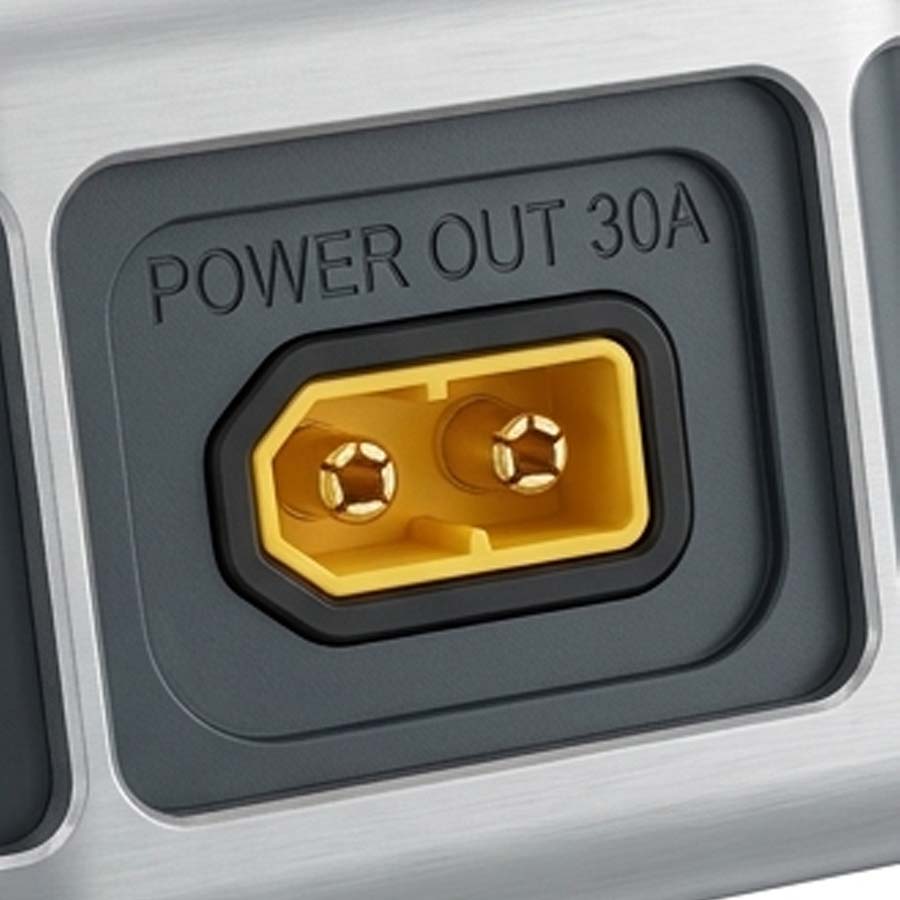
Instantaneous Peak Surge: Delivers 30A 3-second pulse output with zero voltage sag, seamlessly powering dual-joint servo motors during sit-to-stand and stair transitions.
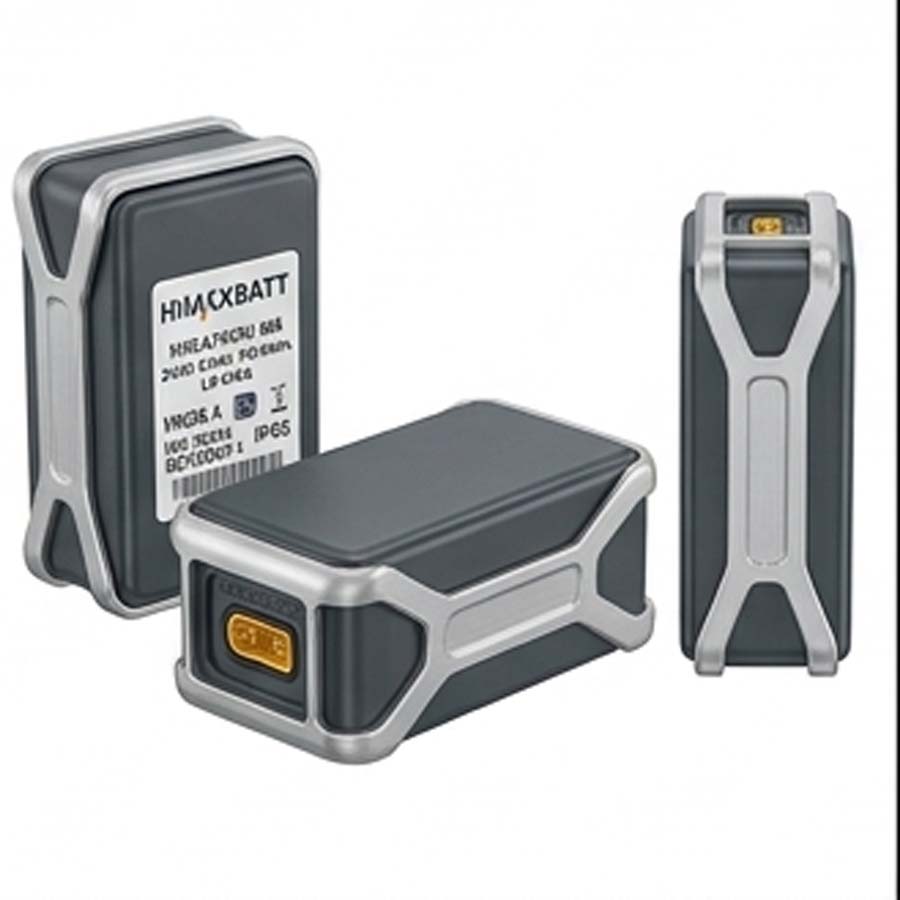
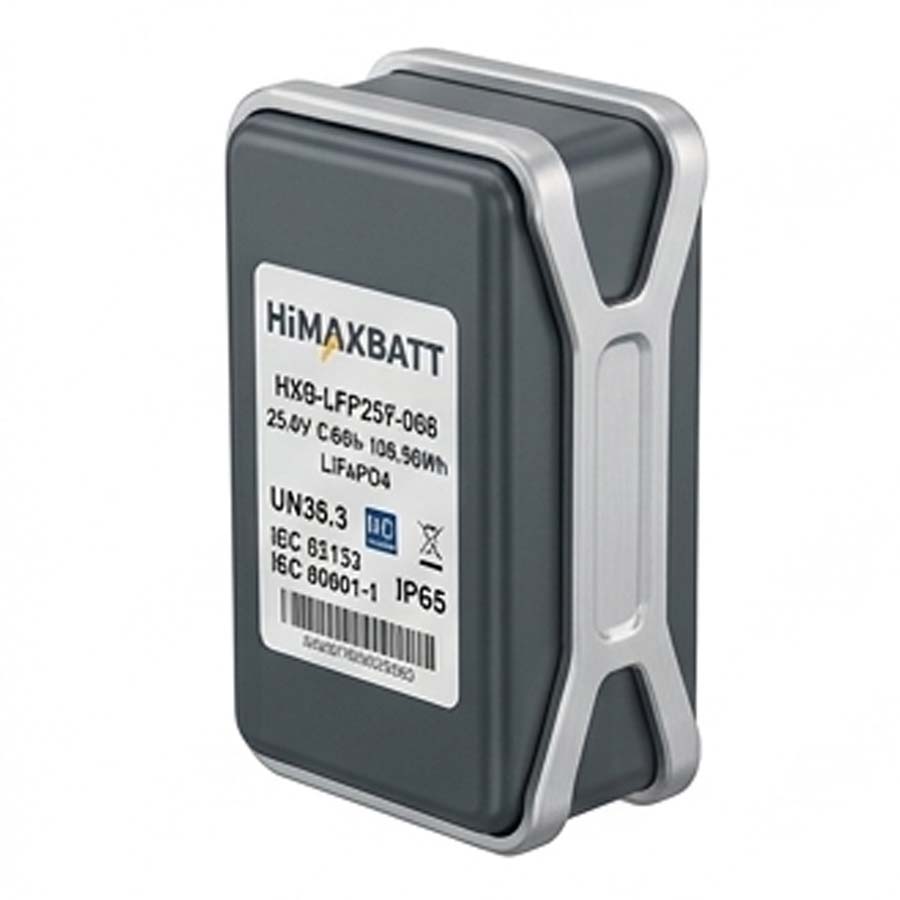
Clinical Heat Safety: Built with LFP cells and CNC heat-dissipating framework to prevent thermal runaway near patient limbs.
Empowering Every Step: Medical-Grade Reliability for Rehabilitation Robotics
25.6V 6.6Ah LiFePO4 Power System | 30A Peak Surge | Zero Thermal Compromise
⚡ Precision Engineering for High-Torque Clinical Gait Mobility
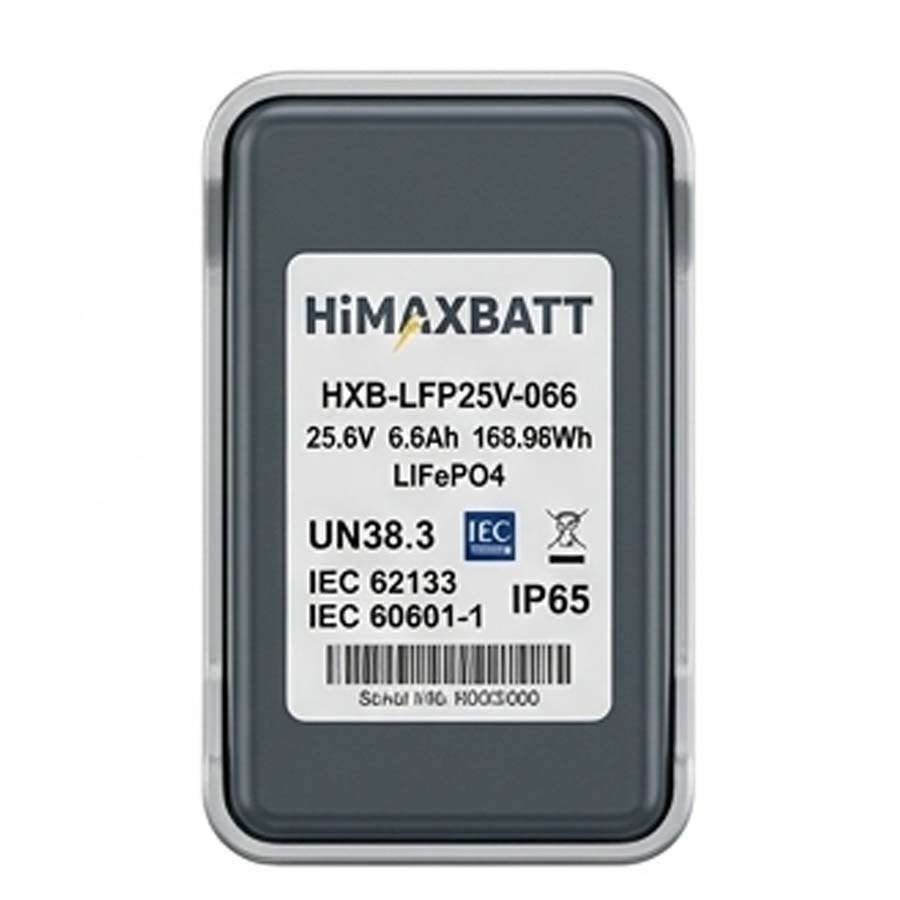
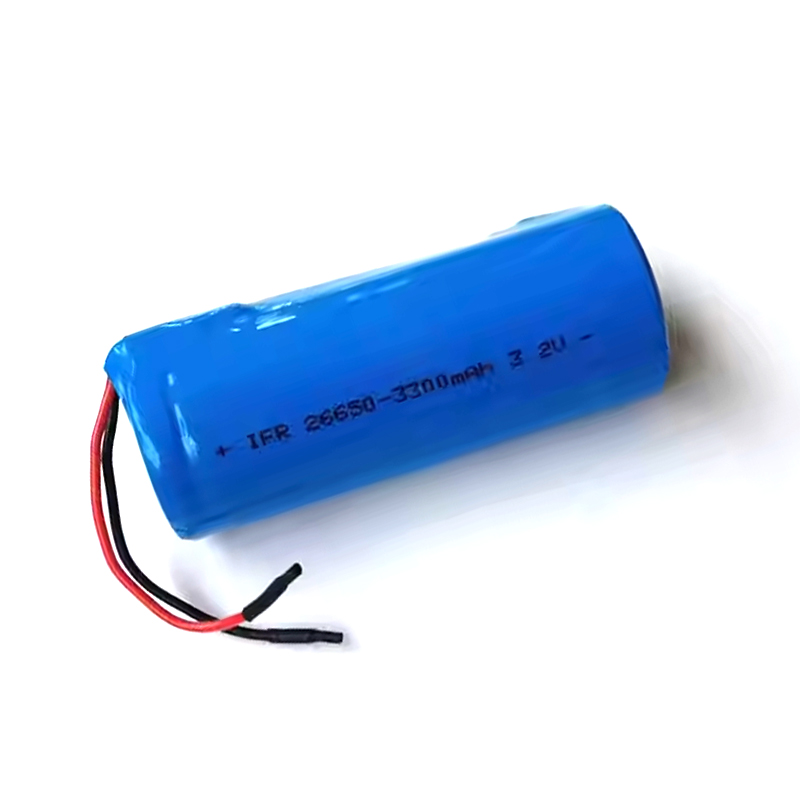
In medical lower limb rehabilitation, an exoskeleton battery must do more than just supply current—it must dynamically adapt to transient mechanical bursts. When a patient with spinal cord injury or stroke hemiplegia executes a sit-to-stand maneuver, dual-side hip and knee brushless servo motors demand sudden torque spikes. Powered by our high-rate HiMAX LFP-26650-3300mAh cylindrical cells arranged in an 8S2P configuration (25.6V 6.6Ah / 168.96Wh), this module continuously delivers 15A while comfortably sustaining 30A pulse bursts for 3 seconds. By combining ultra-low internal cell resistance (≤ 20 mΩ) with continuous active balancing, the system eliminates voltage drop during heavy loading, providing smooth, deterministic motor power that prevents sudden gait instability during patient therapy.
🛡️ Clinical-Grade Thermal Safety & Intelligent System Integration
Human-robot co-adaptation demands uncompromised safety when energy storage operates adjacent to vulnerable patient limbs. Wrapped in a ruggedized IP65 CNC aluminum framework and flame-retardant UL94-V0 ABS+PC shell, the battery integrates shock-absorbing silicone brackets and dual NTC temperature sensors to withstand clinical wear and 1.2-meter drops. Our medical-grade BMS communicates natively over CAN bus 2.0B and SMBus v1.1 through a self-locking Hirose HR10A 10-pin interface, transmitting real-time cell telemetry to the main robot controller. Outputting current via heavy-duty Amass XT60PW-M locking terminals, the system passes stringent cold/hot shock (-30°C to +70°C) and salt-spray testing. Fully ISO 9001 quality certified and UN 38.3 transport compliant, it meets the rigorous design benchmarks of IEC 62133-2, UL 2054, ISO 13485, and IEC 60601-1-2 medical EMC standards for 2,000+ maintenance-free cycles.
Specifications
25.6V 6.6Ah LFP 26650 Battery Pack
Product Brand
HiMAXBATT
System Model
LFP-25.6V-6.6Ah-EXO
Terminal Application
Lower Limb Medical Rehabilitation Exoskeleton
Battery Chemistry
Lithium Iron Phosphate (LiFePO4 / LFP)
Cell Model & Spec
HiMAX LFP-26650-3300mAh
Cell Configuration
8S2P
Nominal Voltage
25.6 V
Nominal Capacity
6.6 Ah (168.96 Wh)
Max Continuous Discharge
15.0 A
BMS Protocol
CAN bus 2.0B / SMBus v1.1
Power Output Interface
Amass XT60PW-M Panel Mount
Signal & Charging Interface
Hirose HR10A 10-Pin Self-Locking
Enclosure Material
CNC Aluminum + Flame Retardant ABS+PC
Dimensions
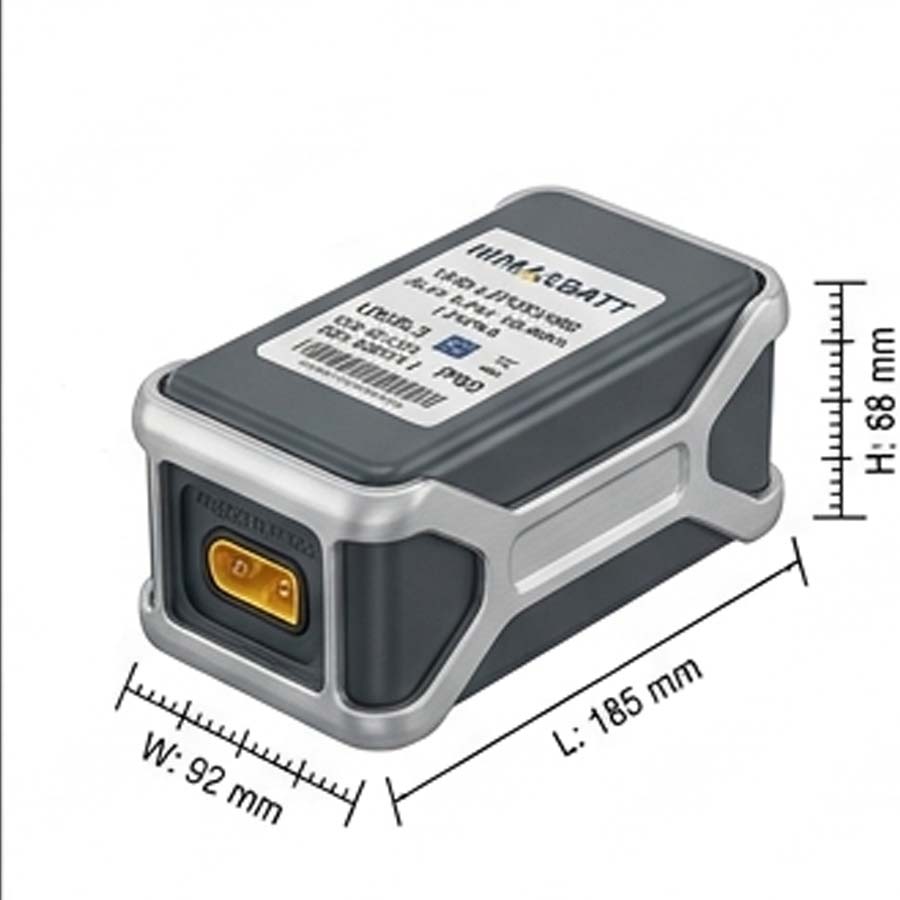
185 mm × 92 mm × 68 mm
Total Weight
Approx. 1.55 kg
Compliance Standards
IEC 62133-2, UL 2054, ISO 13485, IEC 60601-1-2
Factory Certification
ISO 9001, UN 38.3
Frequently Asked Questions
Navigating energy storage requirements for lower limb rehabilitation exoskeletons involves strict regulatory, safety, and dynamic performance thresholds. Below, HiMAXBATT senior battery and biomedical system engineers address the core technical questions procurement managers and robotics designers encounter when integrating power solutions.
How does the battery system handle transient peak currents without triggering premature BMS shutdown during patient sit-to-stand transitions?
Medical exoskeletons generate steep torque demand when lifting a patient’s weight. The HiMAX 8S2P LFP battery features high-rate cells with an internal resistance of ≤ 20 mΩ. Our custom BMS implements a dual-stage overcurrent verification logic. It allows continuous operation at 15A while recognizing dynamic 30A pulse bursts for up to 3 seconds without entering protective cut-off, ensuring unbroken operational continuity during crucial gait training movements.
Why choose Lithium Iron Phosphate (LiFePO4) over Ternary NCM chemistry for close-body medical robots?
In human-robot collaborative environments, patient thermal safety is non-negotiable. LiFePO4 features an exceptionally stable crystal structure that does not decompose or release oxygen up to 500°C, effectively eliminating thermal runaway risks. Additionally, LFP delivers over 2,000 cycles at 80% DOD, significantly outperforming NCM in total long-term clinical lifecycle cost.
How does the battery pack minimize electromagnetic interference (EMC) with sensitive lower limb sensors?
Exoskeletons rely heavily on sensitive foot pressure sensors and joint angle encoders. The HiMAXBATT pack incorporates a fully enclosed CNC aluminum chassis that acts as a Faraday shield, combined with a shielded Hirose HR10A metal push-pull connector. This mechanical and electrical isolation complies with IEC 60601-1-2 EMC testing criteria, ensuring clear sensor signals during high-current discharges.
What structural features protect the battery pack against drop impacts or clinical vibration during routine use?
The interior structure is engineered with custom shock-absorbing silicone brackets holding each cell in precise alignment, reinforced with insulation spot-gluing. Encased within an IP65 rated UL94-V0 flame-retardant ABS+PC housing and CNC frame, the module successfully passes 1.2-meter free drops across 6 axes without structural deformation or cell displacement.
What regulatory certifications and design standards back this customized exoskeleton battery pack?
The battery pack carries official ISO 9001 factory manufacturing quality management certification and UN 38.3 dangerous goods transportation clearance. Furthermore, its engineering and test compliance comply fully with international standards including IEC 62133-2:2017, UL 2054, ISO 13485 medical device quality systems, and IEC 60601-1-2 safety frameworks.